
Have you ever wondered why some golf courses seem made just for your game? A smart layout can really boost your play by mixing safe shots with a few daring opportunities. Designers set up tee placements, fairway widths, and hazards in a way that makes every hole feel like a new challenge.
When you walk the course, you can almost hear the crack of that perfect drive and feel the gentle rustle of wind across the fairway. Each hole is designed to guide your swing and inspire you to try something new. The balance between risk and reward is crafted to keep both beginners and seasoned players on their toes.
Next time you tee off, take a moment to notice those clever design touches. They aren’t just there for show, they help you make the most of your round and enjoy every shot, whether you're playing it safe or going for broke.
Essential Strategies for Golf Course Layout Design
Every great round starts with a smart course design that sets up each shot perfectly. Designers plan every detail to balance a fun, playable course with just the right challenge, so from your first tee shot to that tricky green, you'll find each hole offers its own adventure.
Course architects work hard to create a layout that suits both beginners and seasoned players. They carefully pick tee positions, adjust fairway widths, and work on the overall flow so that even those just learning can find safe paths, while veterans get chances for bold, risk-reward shots that call for precision and smart club choices. It’s that friendly mix of safe plays and daring moves that makes every round memorable.
There are six key design principles behind this thoughtful approach:
| Design Principle | Description |
|---|---|
| Mix of hole types | Each hole offers different challenges to keep things interesting. |
| Risk-reward placement | Encourages smart choices where a tougher shot could pay off big. |
| Width variation | Varies the fairway sizes, changing how you approach each shot. |
| Routing flow | Ensures a smooth transition from one hole to the next. |
| Hazard integration | Uses obstacles like bunkers or water to add challenge without overdoing it. |
| Elevation exploitation | Takes advantage of natural hills and slopes to influence shot choices. |
These principles work together to make every hole feel unique. A mix of hole types keeps you on your toes, while clever risk-reward setups nudge you to trust your judgment. Varying widths and well-planned routing help the game flow naturally, and well-placed hazards mixed with smart use of elevation bring out the best in each shot. Ever feel that rush when you nail a difficult putt after a challenging fairway? That’s what smart design is all about, keeping the game engaging and fun for everyone.
Hole Positioning and Terrain Utilization Strategies

Designers kick off by checking out the course’s natural layout and the wind’s direction. They dive into maps and yardage guides to spot changes in elevation, hazards, and the best landing zones. Imagine a sudden rise in the terrain that challenges your club choice, while a light breeze might gently steer your shot to a safer area.
Next, they weave in clever doglegs and unique signature holes that follow the land’s natural curves. By bending a fairway around a hill, they set up a dogleg that rewards a well-placed shot. Sometimes, a smooth slope or a cluster of trees helps form a hole that really puts your skills to the test, ever felt that satisfying rush after a perfect drive?
Finally, holes are lined up to showcase awesome views while keeping things easy to navigate. This smart setup cuts down on walking between holes without messing with the flow of the game.
Strategic Hazard and Bunker Placement Techniques
Golf course designers plan hazards like bunkers and water features to bring both a fun challenge and extra safety to every game. They aim to get you to weigh risk versus reward as you play. For example, long grass and native plants aren’t just obstacles, they also help guide you in choosing your shot.
Bunkers are carefully placed around landing areas to make you think twice about your club selection. Their unique shapes and depths add a bit of mystery to recovery shots. And, safety rules are always in place to prevent stray balls from causing trouble in public zones.
- Fairway bailout zones
- Approach-green complex
- Collection funnels
- Visual intimidation
- Safety setbacks
Mixing natural obstacles with smartly set bunkers creates a course that feels both challenging and fair. This design pushes you to play with precision while choosing your clubs wisely. And with clear visual cues and safety rules, the hazards stay tough but safe, making your round enjoyable and secure.
Fairway Shaping and Green Complex Design Essentials

Fairway shaping is a big part of designing a course that’s fun to play. Designers craft the fairways with gentle curves and slopes to help guide your shot and create natural ball paths. These contours work like friendly hints, steering the ball straight and even giving a little nudge back when a tee shot goes off course. With soft rises and dips, every shot turns into an engaging challenge.
Green complex design sits right at the heart of the course, pushing you to plan each swing carefully. Subtle levels, smartly placed bunkers, and runoff areas all work together to make sure you pick the right club every time. The green’s layout is built to add extra twists, so every approach shot feels like it’s testing your skills. It’s as if the green itself whispers, "Aim true, and play smart."
| Feature | Design Purpose | Player Impact |
|---|---|---|
| Undulation | Adds variable lies | Changes ball roll dynamics |
| Tiered Green | Creates layered challenges | Demands precise putting strategy |
| False Front | Masks true depth | Requires accurate approach |
Slope analysis also plays a key role in the design. By carefully examining the course’s slopes, experts ensure that water drains away naturally and the ball behaves predictably. This thoughtful planning makes each round smooth and enjoyable, no matter how much nature tries to mix things up.
Tee Box Configuration and Routing Development Strategies
Tee box positions can really change how you experience a course. Designers offer several tee spots so players of different skill levels can choose the one that works best for them. Picture yourself stepping onto a small rise with a clear view of the fairway. You can see the gentle slopes and decide on your risk even before you swing.
Routing is all about connecting the holes in a natural way. The course layout takes into account the land’s curves, hazards, and how close each hole is to the clubhouse. Designers plan routes by considering the sun’s path and shifting winds, too. They even group holes that share natural breaks in the landscape, so the course feels like one smooth journey.
Mixing up holes from par-3 to par-5 is a clever way to keep the game lively. By alternating between shorter and longer holes, designers help you manage your energy and decide how bold you want to be with each shot. It’s like a set of mini-challenges that keep you guessing and enjoying every swing.
Integrating Water Features and Natural Obstacles
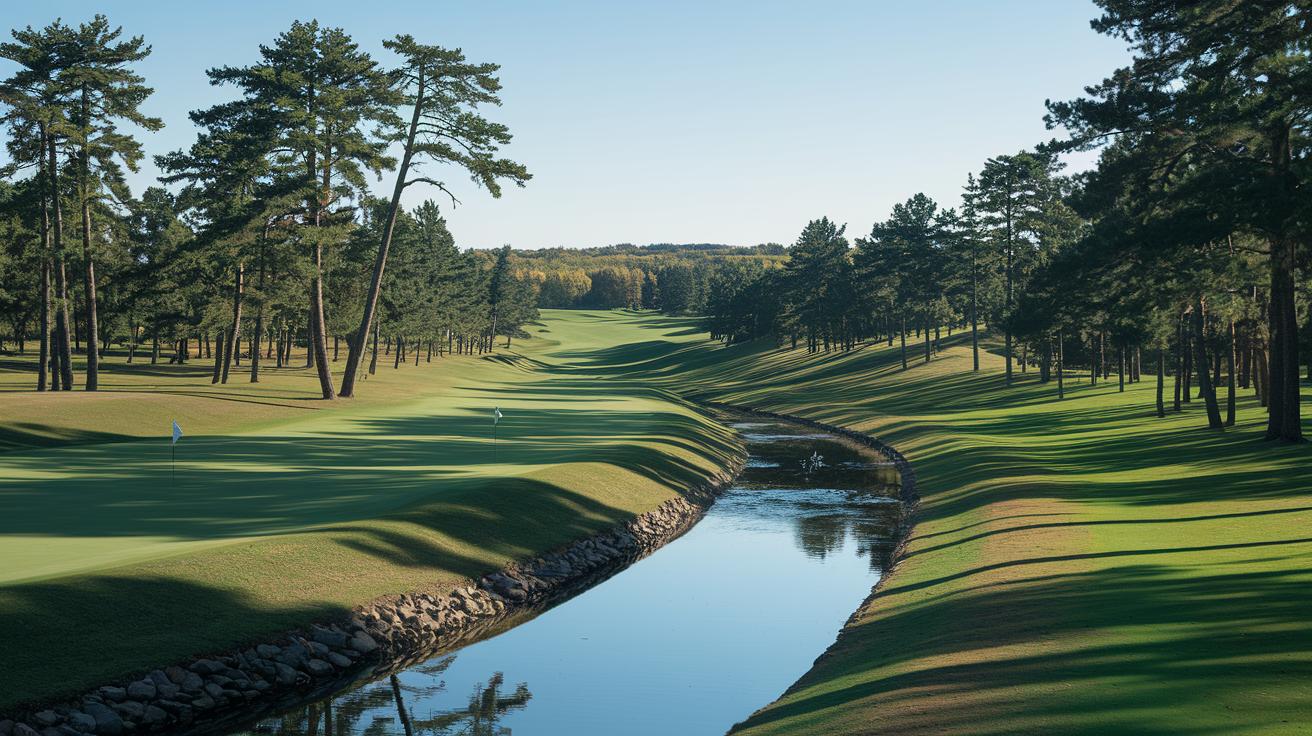
When planning water features on a course, designers closely consider drainage to keep the grounds dry and flowing well. They choose spots for ponds, streams, or creeks not just because they add beauty but also to boost safety. This careful planning keeps puddles from forming and makes sure hazards fit neatly into the layout so golfers can enjoy clear views and steady play. For example, a well-placed stream can naturally divide long holes while giving a handy visual hint for distance.
Designers also mix in natural elements like rocks, trees, and small wetlands to add both challenge and charm. Instead of overwhelming players, these natural touches guide your shot choices by standing out as clear markers. They encourage you to pick the right club or plan your shot path, much like spotting a friendly sign on a winding road.
Keeping environmental ethics in mind is key to a smart course design. Safety buffers are built between hazards and play areas to protect both golfers and the local ecosystem. This thoughtful approach means that water features and natural obstacles not only test your skills but also respect nature and promote long-term sustainability.
Golf Course Layout Strategy: Enhance Your Play
Building a golf layout with eco-friendly lawns and smart water-saving irrigation is a clever way to keep the game enjoyable for years to come. Using native grasses and easy-care turf zones naturally cuts down on upkeep while saving water. This method not only lowers costs over time but also keeps our local environment in check, creating a course that feels as fresh as the morning dew on the fairway.
Next, planning for proper maintenance is a real game changer. Adding simple access roads and clear paths for equipment helps the grounds crew work faster, so you don’t experience long breaks between your rounds. Designing fairways with mower-friendly widths and effective drainage systems means that the grass stays in great shape all season long. It’s these thoughtful details that let the course look sharp and stay safe for everyone playing.
And then there’s how easy it is for players to get around. With clear walkways, well-placed tee transfer zones, and a clubhouse right nearby, getting from one hole to the next becomes a breeze for golfers of any skill level. These simple, level paths make the entire course feel welcoming and keep the game moving smoothly.
Playability Analysis and Risk-Reward Balancing on the Course

Design teams now use high-tech laser tools and digital maps to check a course’s slope and wind conditions right away. This fresh method mixes sensor info with old data so even tiny bumps in the terrain on a warm, breezy day show how the ball will roll. One golfer recalled, "When a strong gust pushed my ball off course, the live wind updates helped me adjust my stance and save the shot."
Hole designs have also gotten a creative lift. Instead of copying past ideas, designers now shape new water hazards and bunkers to challenge you in fresh ways. In one recent tournament, a hole required a risky carry over a stream. When players nailed it, they earned an extra stroke advantage on the green.
To make the game fair for players of every level, courses now have clear, real-time markers and safe zones. These cues, based on field studies and feedback from golfers, give quick hints for recovery shots without throwing too many technical details at you. One example: when players spotted a bright marker by a tricky bunker, they knew the safe zone to aim for, making tough shots a bit easier.
Final Words
In the action, the post covered the main aspects of shaping a winning layout. We looked at how hole positioning works with the natural terrain, strategic hazard placement, fairway and green complex design, tee box configuration, and even sustainable maintenance planning. Each section builds on the next, blending risk-reward factors with playability analysis. By polishing this golf course layout strategy, designers can create a course that challenges and delights at every turn. Here's to a course that truly makes every round memorable.
FAQ
Golf course layout design
The golf course layout design involves planning the course’s structure by arranging tees, fairways, hazards, and greens. It creates a balanced and engaging play experience for everyone on the course.
Free golf course layout strategy
The free golf course layout strategy offers practical design ideas and guidelines accessible at no cost. It helps both newcomers and seasoned players understand how course flow and challenges are created.
Golf course layout app
The golf course layout app serves as a digital tool for viewing course maps, planning routes, and analyzing hole details. It makes exploring design elements and planning strategies convenient for on-the-go users.
Golf course layout Terms
The golf course layout terms cover key elements like tees, fairways, hazards, and greens. Clear definitions help golfers grasp design concepts and appreciate the thoughtful planning behind each hole.
Golf course design standards pdf
The golf course design standards pdf is a downloadable guide outlining accepted planning principles, hole sequencing, and hazard placement. It serves as a handy reference for designers and planners seeking balanced course play.
Parts of a golf course diagram
The parts of a golf course diagram include tees, fairways, hazards, greens, and rough areas. These elements help golfers visualize the course layout and understand the strategic design decisions that influence play.
Golf course strategy
The golf course strategy involves planning hole challenges and risk-reward decisions that shape how players approach each shot. It balances creative shot choice with fairness, catering to a variety of skill levels.
Golf course maps online free
The golf course maps online free provide access to course blueprints and layout details at no charge. They assist golfers and enthusiasts in reviewing design elements and planning effective play strategies.
What makes a good golf course layout?
The good golf course layout features balanced challenges, clear sightlines, varied hole designs, and smooth flow. This design appeals to both skilled players and beginners, making every round enjoyable.
What is the 90% rule in golf?
The 90% rule in golf implies playing within 90% of one’s maximum swing capability to promote accuracy and consistency. It encourages smart club selections and improves overall performance on the course.
What are the 3 P’s in golf?
The 3 P’s in golf represent essential aspects like pace, playability, and positioning. They help manage the game’s tempo and ensure shots are both challenging and enjoyable for all players.
What are the 3 W golf courses?
The 3 W golf courses refer to design approaches that emphasize walking, winding paths, and water-integrated hazards. This focus creates unique course challenges that enhance the overall playing experience.

