
Ever wonder if a golf course can be both a cool challenge and a work of art? Imagine planning it like piecing together the perfect puzzle. Each hole is built with fun hazards, curvy fairways, and smart tee spots that keep you guessing while pleasing your eyes. In this post, you'll pick up handy layout tips that mix nature’s charm with clever play, so every round feels exciting and new. Ready to see how thoughtful design turns a golf course into an amazing adventure?
Golf course layout planning tips: Smart Course Solutions
When planning a golf course, it’s all about mixing smart challenges with a beautiful look. Designers set up hazards, doglegs (those bends in the fairway), and different tee spots to test your shot planning while making the course look great. Each hole feels like both a puzzle and a piece of art, imagine a course where every bunker and water feature nudges you toward the perfect swing.
Most 18-hole courses come with a par of 72 and stretch over 140 to 180 acres. Nine-hole courses usually take up about half that space. Designers also save extra room for future changes, like adding more tee boxes or even extra holes, so you get more shot choices. Planning the right amount of land can make the game easier today and keep the course flexible as time goes on.
Early on, designers match the routing with the hole’s par and natural slopes while adding eye-catching features that boost playability. A well-planned layout blends clear shot planning with stunning scenery, making your round not just challenging but also very enjoyable. Ever felt that rush when everything clicks on a beautiful course? That’s the magic of smart design.
Assessing Terrain and Site for Effective Golf Course Layout
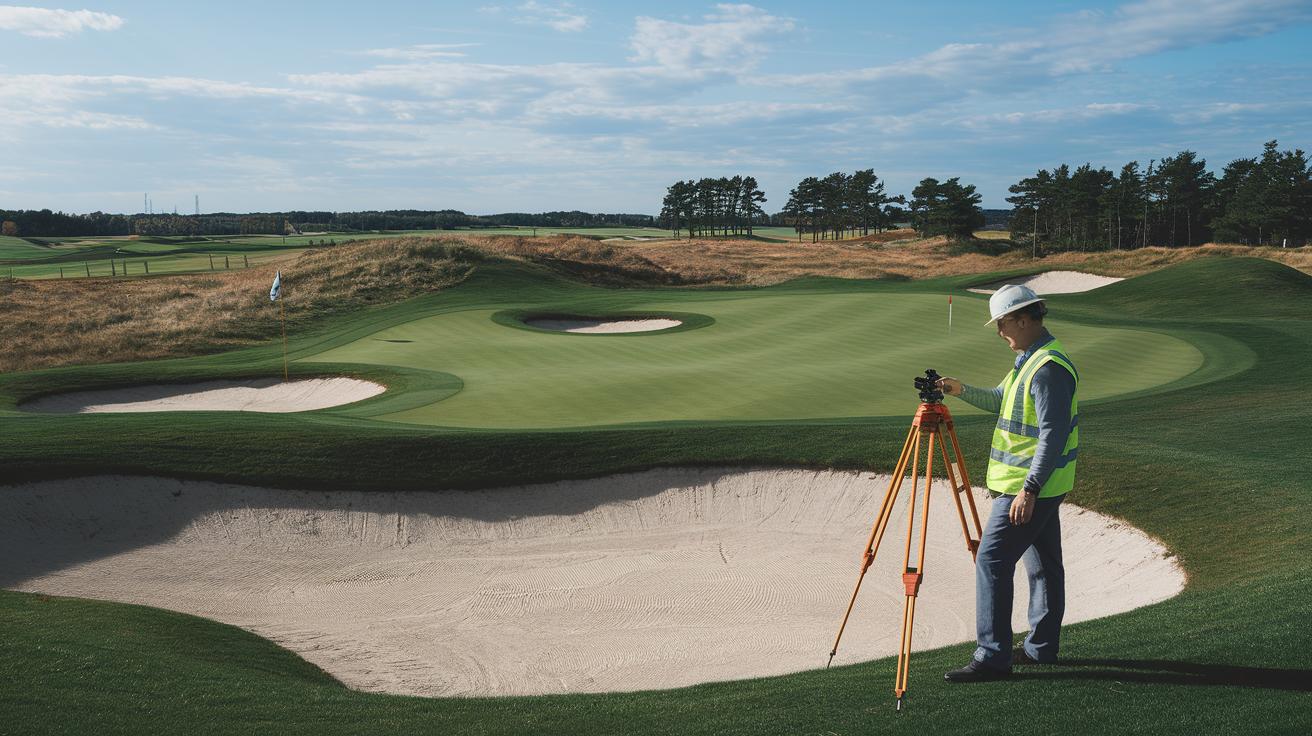
When you're eyeing land for a golf course, it's a bit like lining up the perfect swing, you need to know the ins and outs before you make your move. Planners look closely at natural features, whether it's the sandy soils and quick greens of coastal courses or the tree-lined fairways typical of parkland settings. They carefully check everything from slopes and soil types to drainage, and even see if there's room to grow on 140 to 180 acres. This attention to detail helps determine the type of course that best fits the land's natural vibe, guiding choices like using local plants or managing sharp elevation shifts, as seen in desert areas.
Land Assessment Strategies
Getting the lay of the land starts with solid groundwork. First off, soil tests show if the grass will really take off, and slope surveys measure the natural hills that can toughen up the shots. As you might size up the green before a putt, every little check here helps fine-tune the plan. These simple, hands-on strategies make sure that every part of the land works together to boost both playability and the overall look of the course.
Mapping Layout Blueprints
After a thorough land check, the next step is to map out the course layout. Designers use tools like precision surveying to draw detailed maps that follow the land's natural curves. Think of these maps as a guide showing where to set up tees, fairways, and hazards to give players just the right mix of fun and challenge. Combining careful mapping with a smart design approach results in a course that's not only a great challenge on every hole but also a real beauty to behold.
Optimizing Hole Routing and Sequencing in Golf Course Layout
Designers set up each hole to flow smoothly into the next, like following a natural path across the land. They carefully look at the course's natural shape, its gentle slopes and curves, to plan a route that feels easy yet exciting. Ever notice how a smartly placed dogleg can add a fun twist? It keeps you engaged while still guiding you clearly along the fairways.
Mixing up the holes is key to keeping a round lively. Planners alternate between par-3s, par-4s, and par-5s so you get plenty of variety. They mark spots where hazards like water or bunkers might pop up, letting you know where to play it safe or take a bold shot. This blend of safe routes and daring options offers something fun for everyone, whether you're just starting out or have played many rounds.
Integrating Core Layout Elements: Tees, Fairways, Greens & Hazards
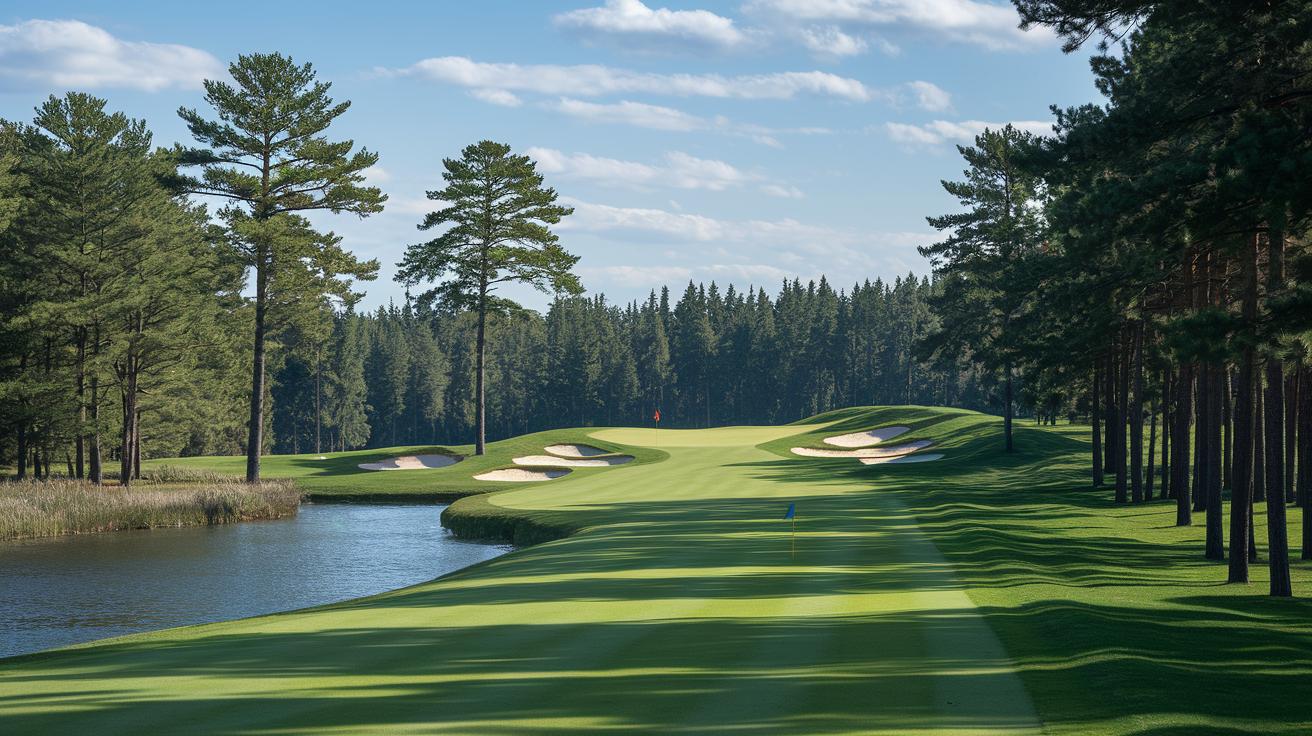
When designing a golf course, planners carefully set up each area to mix challenge and beauty. Tee boxes act like smooth launch pads with several tee options to fit different skill levels. Fairways, usually 30–50 yards wide with neatly trimmed grass, give you a consistent and inviting surface for your drives. Greens are kept with ultra-short grass to help your ball roll smoothly when putting, while the rough, with its longer grass, reminds you there’s risk if you stray off course. Bunkers and water hazards are placed to make you think about the right club and shot strategy. Each element works together to create a course that’s both fun and demanding, inviting you to plan every shot with care.
| Element | Planning Considerations |
|---|---|
| Tees | Smooth launch pads with different tee options for various skill levels |
| Fairways | 30–50 yards wide with neatly trimmed grass for a reliable drive |
| Greens | Ultra-short grass to boost putting accuracy and smooth ball roll |
| Bunkers | Placed thoughtfully to test your choice of club and shot precision |
| Water Hazards | Set up to challenge your shot planning and add a risk factor |
Using these ideas, course planners create a balanced risk-reward setup for every hole. That way, each shot feels satisfying, whether you're driving down a well-kept fairway or navigating a tricky hazard.
Irrigation, Drainage & Turf Management Strategies for Course Layout
Designing Efficient Irrigation Systems
Imagine planning a course in a desert-like setting where every drop counts. Designers use smart irrigation plans to save water while keeping greens fast and playable. They set up watering zones that match each hole’s design perfectly. Sprinkler systems are arranged to cover wide open spaces and tight spots alike, giving special attention to tricky corners. Recycled water is a favorite too, it cuts down waste and keeps things sustainable. Picture a neat series of sprinkler lines that mimic the gentle flow of a natural stream, keeping the turf lively even under a blazing sun.
Implementing Effective Drainage Solutions
Good drainage is just as important as watering if you want a course that stays in top shape. Experts mix on-the-surface fixes with smart underground drainage plans to stop puddles in their tracks. These systems whisk away extra water so that the turf stays healthy and ready for every shot. Improved drainage means the course is playable all year, no matter how heavy the rain or scorching the heat. This careful planning ensures each swing feels smooth, whether you’re playing right after a shower or under clear skies.
| Focus Area | Key Point |
|---|---|
| Soil analysis | Understanding soil properties to enhance turf health |
| Grass selection | Choosing the right type of grass for local climate |
| Surface management techniques | Maintaining and nurturing the turf’s surface |
| Routine maintenance route design | Planning regular upkeep to keep the course pristine |
Applying Sustainable Environmental Design in Golf Course Planning

When you set out to design a golf course with sustainability in mind, you're really blending beauty with nature. Think of it like choosing the perfect club for that crucial shot, every decision matters. Planners include native plants and gentle grading techniques that work with the natural lay of the land instead of fighting it. They use minimal earth movement to protect topsoil and add smart water-saving steps, all to keep the local ecosystem happy.
Modern methods are also changing the game. Many courses now use electric maintenance equipment (machines powered by batteries or electricity instead of gas) and irrigation systems that reuse water. These innovations help reduce resource use, almost like lowering your water bill on a hot day out on the green. Regular checks on water use and turf health allow for quick fixes and smart adjustments, ensuring the course stays friendly to the environment.
In the end, combining green tech with thoughtful design makes a course that not only challenges players but also takes care of the world around us. Ever feel that rush after a perfect putt? Now imagine that same care extending to nature, pretty inspiring, right?
Leveraging Tools, Best Practices & Case Studies in Golf Course Layout Planning
Imagine using advanced design software that brings your course to life in 3D before a single hole is built. With these tools, planners can see every twist and turn of the course, almost like taking a practice round on paper. You can even simulate how a water hazard might affect a bold drive, making sure each hole is set for the best playability.
Teamwork makes the dream work in course planning. Landscape architects, engineers, and course managers work closely together, kind of like a well-rehearsed round where every club change is timed perfectly. Over two to five years, clear communication and a coordinated timeline keep everything on track. When everyone chips in, it’s like finding the perfect spot for the clubhouse and those handy practice areas.
Budgeting is a big deal when planning a course. By using cost estimation strategies and studying past projects, planners can carefully schedule construction phases and manage funds, from tee box placement to final turf installation. It’s all about tracking every cost, so every move on the course and in the financial plan is as smooth as a perfect swing.
Final Words
In the action of optimizing a course, we touched on balancing design and playability. We explored everything from tee arrangements and fairway widths to hazard placements that keep you on your toes.
We also looked at drainage systems, turf management, and even green technology trends. These golf course layout planning tips aim to spark fresh ideas for refining your approach. Enjoy experimenting with your course setup and keep forward-thinking on every swing.
FAQ
Golf course layout planning tips pdf
The golf course layout planning tips pdf offers a detailed guide on design principles and practical steps to create courses that balance playability with visual appeal.
Golf course layout planning tips for beginners
The golf course layout planning tips for beginners simplify the design process, breaking down key concepts like hole sequencing and hazard placement to help newcomers design enjoyable courses.
Golf course layout planning tips free
The golf course layout planning tips free resource provides accessible advice and basic strategies for planning course layouts that ensure both smooth play and aesthetic charm.
Golf course layout design
The golf course layout design involves arranging tee boxes, fairways, greens, and hazards to promote strategic play while enhancing the visual beauty of the course.
Golf course layout Terms
The golf course layout terms refer to essential design elements such as tees, fairways, greens, bunkers, and hazards, which help guide effective course planning and construction.
Golf course layout app
The golf course layout app is a digital tool offering mapping features, terrain analysis, and design simulations to aid planners in creating balanced, playable golf courses.
Golf course design standards pdf
The golf course design standards pdf outlines industry guidelines for layout, including spacing, hazard placement, and aesthetic criteria to maintain consistency in course development.
Parts of a golf course diagram
The parts of a golf course diagram include clearly marked areas like tees, fairways, greens, and hazards, which illustrate the strategic and practical layout of a course.
What makes a good golf course layout?
A good golf course layout merges strategic shot opportunities with clear sightlines, balanced hole sequencing, and well-placed hazards to boost both challenge and enjoyment.
What is the 90% rule in golf?
The 90% rule in golf refers to a design guideline where roughly 90% of the course is kept open for play, while 10% is reserved for hazards and natural features to maintain balance.
What are the 3 P’s in golf?
The 3 P’s in golf typically stand for planning, positioning, and precision, emphasizing the importance of thoughtful course design and effective strategy during play.
How do you plan your way around a golf course?
Planning your way around a golf course means strategically mapping out each hole by analyzing terrain, hazard placement, and tee-to-green routes to optimize performance and enjoyment.

