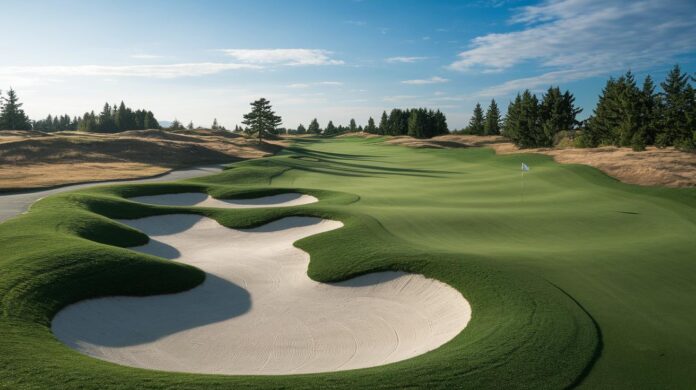
Ever wonder how a plain piece of land can turn into a golfer’s paradise? It all starts with smart design that carefully blends nature with challenge. Designers pick the perfect spots for slopes, bunkers, and water features to not only test your skills but also create a visual treat.
They plan every detail like arranging art on a canvas, the crisp sound of a driver off the tee or the soft rustle of leaves along the fairway adds to the experience. In truth, every bend and dip is chosen to keep you guessing and enjoying the game.
Next, we’ll take a closer look at how clever site choices, thoughtful layouts, and natural beauty come together to make each round feel uniquely special.
Core Elements Defining Golf Course Architecture
Golf course design mixes natural land with smart challenges to create a place that's fun and fair for every golfer. Designers look at hills, soil, and weather to make sure each hole fits perfectly with its surroundings. They take wild landscapes and shape them into courses where you can enjoy a neat shot or try something creative.
Every part of the course adds both charm and function. Designers plan clever layouts and routes and add hazards like bunkers and water to keep the game interesting. This way, whether you’re just starting out or you’re a seasoned player, there’s plenty of challenge and beauty in every round.
We can break down course design into these main parts:
| Key Element | Description |
|---|---|
| Site Selection | Picking a spot with good land, weather, and soil |
| Routing and Layout | Designing holes that follow the land’s natural shape |
| Fairways | Creating paths that offer different shot choices |
| Greens | Crafting smooth putting areas with gentle slopes |
| Bunkers | Setting up sand traps to challenge your aim |
| Water Hazards | Adding ponds or lakes for a riskier play and pretty views |
| Tee Boxes | Offering different starting spots for various skill levels |
| Vegetation Management | Using local plants to keep the course green and sustainable |
All these parts work together to create a course that’s both a visual treat and a true test of skill. The blend of natural beauty and thoughtful design makes each round a unique experience.
Fairway Shaping Principles in Golf Course Architecture

Fairways are the beating heart of any round, setting you up with multiple shot choices no matter your skill level. When a fairway follows the natural curves of the land, it’s like nature itself giving you a hint for your next shot. Picture a gentle bend around a small rise that seems to whisper, "Try this angle."
The way fairways are shaped turns them into more than just a path, they become guides that work with the land itself. Designers smartly use natural dips and ridges to cut down on heavy land moving. This not only helps keep costs in check but also lets the landscape shine. Imagine a fairway that twists along a ridge, inviting you to try a draw or a fade. It’s that subtle cue that can change a simple shot into a smart play.
Techniques like cut-and-fill and careful mounding are used to suit different terrain challenges while keeping the flow smooth across the course. These methods balance tricky elevations and slopes, making sure every shot feels fair and fun. By working with the natural curves, designers craft fairways that stay true to the land and offer a rewarding game for every golfer.
Greens Construction Techniques in Golf Course Architecture
Modern greens are built to blend right in with nature while still offering a fun, challenging putting surface. They’re created in layers that help the grass grow strong and keep water flowing away so you don’t get any puddles. Designers often say, "A well-built green feels like a gently rolling meadow ready for your perfect putt."
Every little bump and dip in the green affects your shot, so you’ve got to be spot-on with your chip and putt. These smooth curves and subtle slopes add to the natural look, turning each green into a unique playground that tests your skills and delights you with its beauty.
| Construction Layer | Material | Function |
|---|---|---|
| Surface Turf | Bentgrass | Provides a smooth and playable surface |
| Root Zone Mix | Organic blend | Helps grow deep, healthy roots |
| Drainage Sand | Sand | Drains water to prevent pooling |
| Gravel Layer | Crushed gravel | Gives stability and aids drainage |
| Subgrade Soil | Soil | Forms the base of the green |
Keeping these greens top-notch is a bit like tending a prized garden. Groundskeepers carefully manage mowing heights, feed the turf with fertilizers, and water the greens just right. All this work makes sure the greens stay firm yet friendly, so your putts roll true and every shot feels just right.
Bunker Planning and Water Hazard Integration in Golf Course Architecture
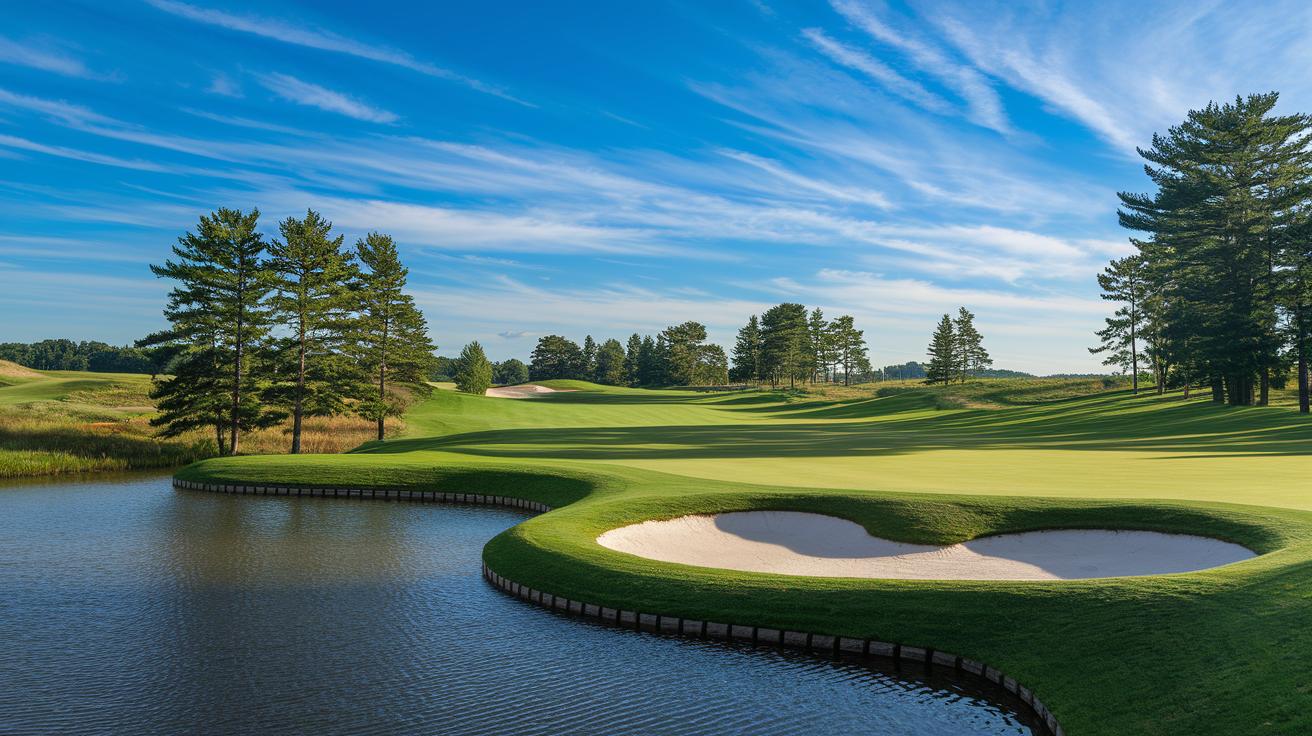
Golf courses come alive with features like bunkers and water hazards that add both challenge and beauty. Bunkers, which can be small or large and shallow or deep, force players to plan each shot with extra care. And water hazards? They’re not just obstacles. They create stunning backdrops that require golfers to really think about the distance and risk before taking a drive down the fairway.
Every shot matters when these hazards are in play. Designers plan each bunker by considering how the shape and depth affect play, while water hazards are set with careful attention to water levels to mix up driving and approach strategies. They even use real shot stats to ensure every hazard is fair but exciting.
Here are some key tips for laying out these challenges:
| Tip | Description |
|---|---|
| Follow the natural terrain | Keep hazards aligned with the land’s natural curves and contours. |
| Set bunker profiles carefully | Create risk-reward moments by adjusting depths and rims. |
| Adjust water levels | Influence both drives and approaches for more strategic play. |
| Use shot-making stats | Place hazards in spots that challenge players based on real game data. |
| Mix up sizes | Design hazards to suit both cautious and aggressive golfers. |
| Embrace the landscape | Blend hazards naturally into the course with existing trees and hills. |
Balancing challenge with beauty is key. When bunkers and water features are thoughtfully integrated, they not only test a golfer’s skills but also add to the overall charm of the course. Each hole becomes a mini masterpiece, inviting you to relax, strategize, and truly enjoy the game.
elements of golf course architecture: Bold Game Aesthetics
Tee box positioning is a clever trick to make sure every golfer, from newbies to seasoned players, feels at home right from the start. Designers set up a hole with several tee boxes, so while the pros can tackle longer distances, beginners have a shorter, friendlier option. Imagine stepping up to a tee that adapts to your style, offering different angles for that perfect drive.
Hole sequencing keeps the energy high throughout your round. By mixing longer, challenging holes with shorter, quicker ones, the game stays lively and full of surprises. One tough par-5 might suddenly give way to a zippy par-3, keeping you on your toes with each swing.
And don’t forget about orientation. Designers carefully place tee boxes with the sun and wind in mind, which not only shields you from harsh weather but also makes choosing your shot a bit easier. It’s like following a well-planned trail that minimizes extra walking and keeps the game fun for everyone.
Environmental and Sustainable Practice Approaches in Golf Course Architecture

Golf designers are now all about saving water and protecting the land. They use water-saving irrigation and plant native species that do well in the local climate. This helps cut down on chemicals while inviting native birds and small critters to hang around. For example, using drought-resistant grasses can really lower water use and give the course a natural, welcoming look.
They also work hard to keep the soil healthy by using low-impact construction techniques. Designers study the soil carefully and plan the course to steer clear of delicate areas while avoiding heavy earth moving. This little care keeps the soil strong, helps control erosion, and preserves the unique feel of the course, making it better for both nature and golfers.
Natural drainage is another smart trick they use. By following the land’s natural curves, they channel water the way nature intended. This means there’s less need for heavy, artificial drainage systems and fewer big changes to the land. Plus, it helps meet local water management rules, ensuring the course stays balanced and sustainable for everyone to enjoy.
Historical Evolution and Architect Vision in Golf Course Architecture
Landmark architects like Campbell, Hutchison, and Hotchkin really changed the way golf courses were built back in the early 1900s. They looked at the land first and worked with its natural ups and downs instead of fighting against it. They shaped fairways and greens to flow with the gentle slopes and curves of the terrain. It was as if the course was carved right out of nature itself, inviting players to feel connected with the environment.
Over time, new technology and a growing love for nature have pushed course design to a whole new level. Today’s designers use smart earthwork, clever irrigation systems, and careful soil care to make each course both beautiful and easy on nature. Teams of engineers, landscape experts, and builders now join forces to mix the old-school charm of natural design with modern techniques. This blend not only tests your skills but also honors the wild, wonderful spirit of the great outdoors.
elements of golf course architecture: Bold Game Aesthetics

This section takes a closer look at three legendary courses that blend smart routing, creative green design, and clever hazards, making every hole memorable. It's like each course is a story, mixing beauty with a good challenge.
At Augusta National, every little detail is thought out. The well-known 12th hole has green curves that need very accurate shots, and a water hazard forces you to plan ahead. The course flows naturally, making every shot feel like a carefully planned move. It’s no wonder Augusta National has earned praise for balancing beauty with a tough challenge perfectly.
Pebble Beach uses its amazing coastal setting to full effect. Every hole is set against a backdrop of ocean views, making each shot a treat to the eyes. The design includes forced carries and natural hazards like native dunes, so you get a mix of striking scenery and smart challenges. It’s the kind of place where nature and design work together to create a truly engaging round.
Pine Valley is all about unique bunker shapes and par-3s that test your skill and nerve. The course makes the most of the natural hills, and the greens have gentle slopes that can really test your putting. Each hazard is placed just right, so you must choose your shots carefully, blending sportsmanship with an admiration for great design.
Final Words
In the action, the blog highlighted the elements of golf course architecture by breaking down fairway shaping, greens construction, hazard planning, and tee box sequencing. Each section showed how thoughtful design adjusts playability and strategy.
Site selection, environmental practices, and historical evolution combined to create courses that both challenge and delight. Every insight shared adds value and inspires a deeper love for the game. Enjoy your next round with fresh strategies and renewed enthusiasm.
FAQ
Elements of golf course architecture pdf
The query about a golf course architecture PDF highlights a document that explains core design components like routing, fairways, greens, hazards, tee boxes, and vegetation management. This PDF serves as a handy reference for design enthusiasts.
Golf course design software
The question on golf course design software points to digital tools that let designers create, refine, and visualize course layouts, helping both beginners and pros simulate natural contours and strategic challenges easily.
Design a golf course online free
The query about designing a golf course online free refers to web-based platforms offering interactive tools to experiment with course layouts, hazard placement, and green positioning without any upfront cost or software installation.
How to become a golf course architect
The question on becoming a golf course architect means gaining education in landscape or architectural design, building hands-on experience, and working alongside experienced designers to learn terrain management and course planning.
What makes good golf course architecture?
The query on good golf course architecture means a great design seamlessly blends natural terrain with strategic challenge, ensuring playability through clear routing, well-placed hazards, and thoughtfully designed greens and tee boxes.
What are the features of a golf course, including its defined areas and key aspects?
The question about a golf course’s features refers to its essential parts: teeing area, fairway, rough, hazards, and greens. These areas create a balanced playing field that combines challenge, beauty, and strategic shot-making.

