
Have you ever wondered which golf courses really shine in Pennsylvania? It might surprise you to find that even a small state can hide courses with deep history and unexpected twists. Imagine teeing off on fairways where old-school charm blends with modern design, with smooth, fast greens and winding holes that keep you on your toes.
Maybe you love the feel of a centuries-old club, or perhaps you're drawn to courses with water hazards that add a dash of drama to your game. Pennsylvania offers a unique challenge for every golfer, inviting you to test your skills in spots where each round feels special. Who knows? Your next great shot could be just around the bend on one of these memorable courses.
Best Golf Courses in PA: Exceptional Fairways
Pennsylvania may be 33rd in size and 5th in population, but its diverse terrain offers a fun challenge for every golfer. Imagine a mix of rolling fairways and steep hills that keep you on your toes, just like a perfect round with a few surprises along the way.
Oakmont Country Club in Oakmont is pure golf history. Built in 1904 by Henry Fownes, its design shows off classic charm with fast bentgrass greens that have witnessed countless U.S. Open battles. It’s like stepping back in time while you work on your swing.
Over at Nemacolin Resort in Farmington, you get not one but two distinct courses. Mystic Rock, a Pete Dye design, stretches 7,522 yards and carries a steep slope rating of 149. With water hazards and dramatic elevation changes, it challenges you just like a well-thrown chip shot. Then there’s Shepherd’s Rock, redesigned in 2017, offering open fairways and a split layout that ends right by a lake, in many ways, it’s like watching a shot dance gracefully over water.
Next, Omni Bedford Springs Resort & Spa in Bedford brings its own story. Originally opened in 1895 and completely rebuilt in 2007 with a $120 million makeover, the course plays 6,785 yards. One standout is the 223-yard “Volcano” par-3 that will stick in your memory long after your round is done.
Olde Stonewall Golf Club in Ellwood City is a delight if you enjoy surprises. Its castle-style clubhouse sets the scene before you face a back nine that twists and turns with steep downhill holes. Picture a par-3 with little waterfalls and a demanding par-4 that feels like nature’s very own challenge.
Hershey Country Club West, founded in 1930, offers tree-lined fairways and a mix of holes that suit every skill level. One highlight is a hilltop par-3 that offers views and tests your precision at the same time, ever felt the thrill of lining up such a shot?
Rounding out the list, The Golf Course at Glen Mills, designed by Bobby Weed in 2000, and The Links at Gettysburg with its striking red rock cliffs, show off PA’s rich golf heritage. And don’t miss Iron Valley Golf Club in Lebanon, built on a 350-acre mine site. With over 7,000 yards of challenging play, an island green, and elevated greens, it really captures the spirit of exceptional fairways.
Key Metrics Behind Course Rankings
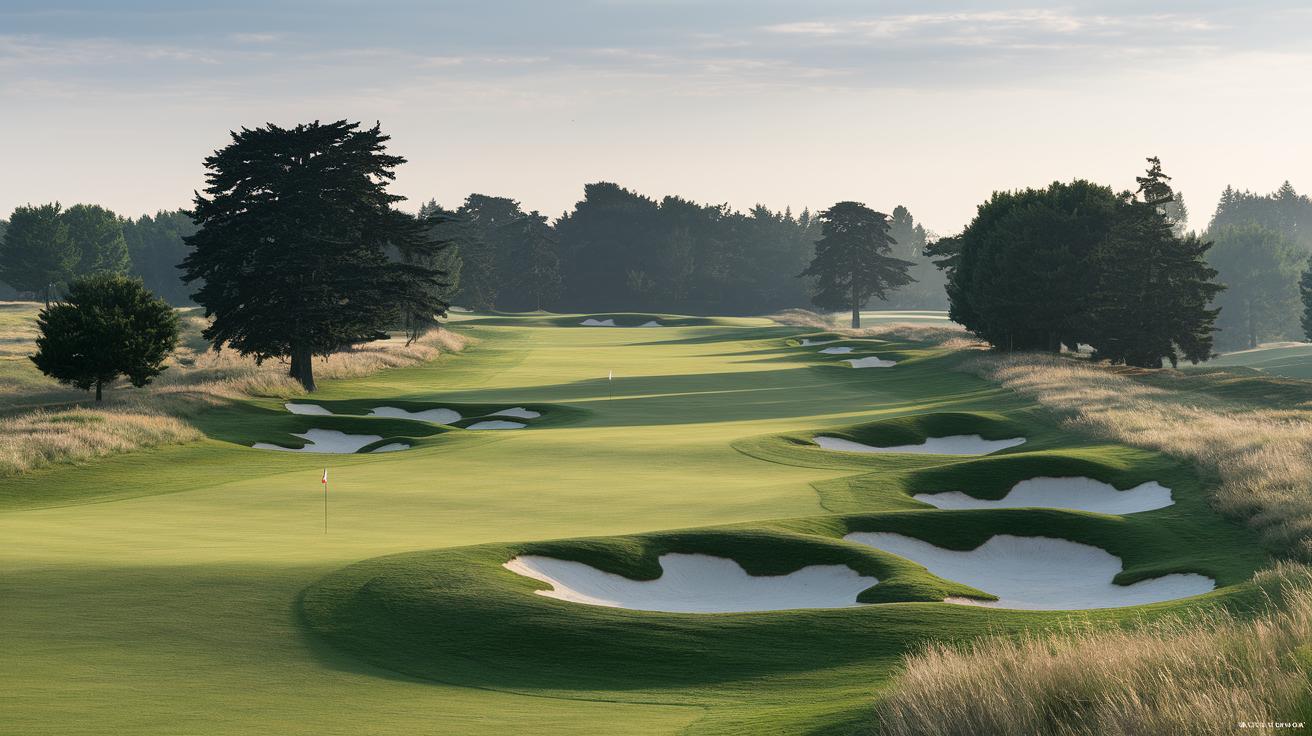
Slope rating has grown from a simple number into a smart design tool. It began as a way to show how much tougher a course is for an average player compared to a scratch golfer. Early on, designers tweaked hills and water hazards to hit a target number. Think of a course with gentle elevation shifts that make you adjust your swing at every turn, this is the kind of detail that brings slope ratings to life today.
Yardage used to just mean the total distance. Now, every yard tells a story. Course architects weave the natural elements and hazards into the design so that every extra yard challenges your precision. Imagine a fairway curving around a bubbling creek, where each extra yard tests your focus and skill.
Course rating blends par, yardage, and natural obstacles into one neat figure. Over time, its calculation has become more polished, taking into account local quirks and new turf care techniques. Golfers see this number as a hint of what to expect, like getting a preview of how your shots might dance across a well-crafted course.
Course Design Evolution: Historic vs Modern Styles
Historic courses in Pennsylvania show off narrow fairways, small greens, and bunkers that are perfectly placed to test your aim and planning. These classic designs take you back to an era when every shot was a real test of skill. They offer a neat mix of risk and reward with holes meant to push your control to the limit. Many of these courses were built using the natural lay of the land and simpler hazards, often without big water features. Golf lovers appreciate this pure, traditional style that keeps the game's original discipline alive.
Modern courses take a much bolder path. Today’s designs work closely with the natural surroundings, featuring wide landing areas and split fairways that make playing more dynamic and fun. Designers now add water hazards and use Pennsylvania's varied terrain to create challenges and strategy for every shot. These layouts blend nature with clever, new twists that invite you to get creative on the course. Moving from tight, risk-heavy holes to open, forgiving tee boxes, modern designs aim to excite the crowd while still testing your skills.
When you compare the two, it’s clear each style has its special appeal. If you're up for a nostalgic challenge, historic courses are where it's at. But if you’re after a fresh, open game with lots of strategic variety, modern layouts will hit the spot. Knowing the ins and outs of these Pennsylvania golf course styles can really boost the fun of playing on such diverse and storied fairways.
Public vs Private Course Experiences
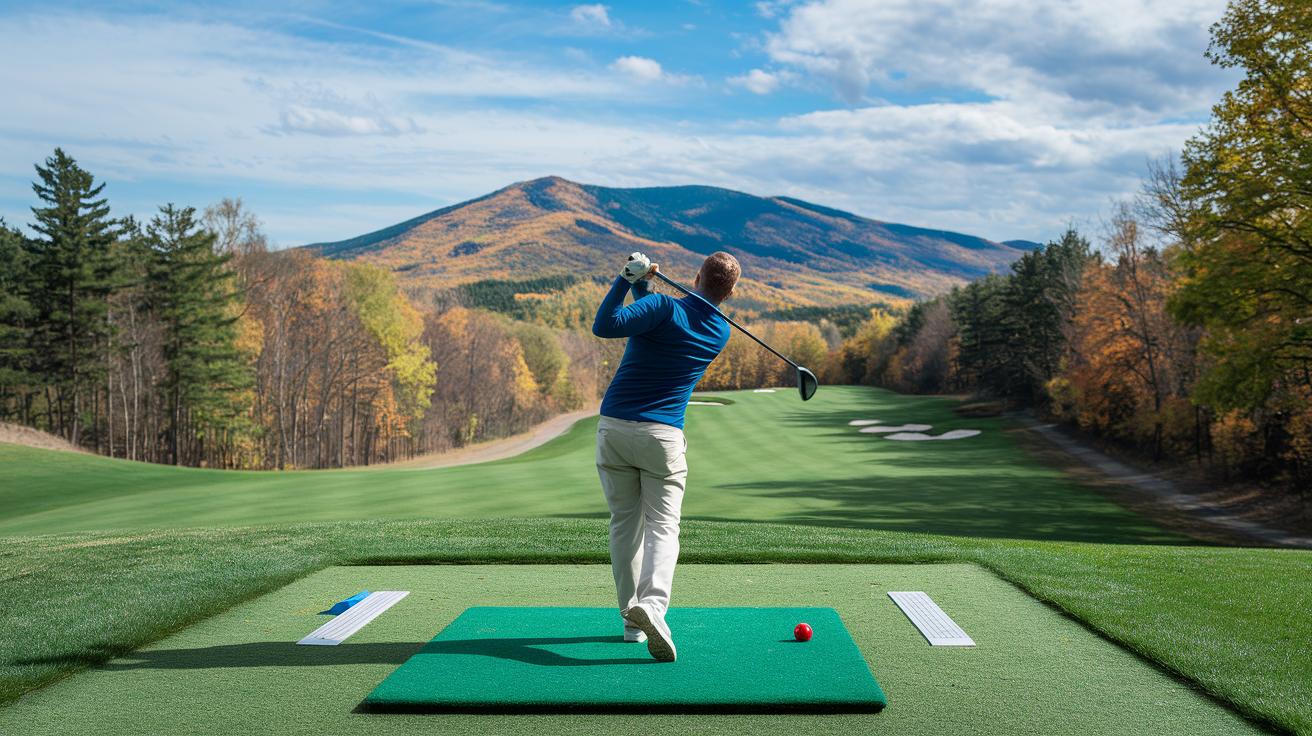
Public courses in Pennsylvania are perfect for a quick, relaxed round of golf. These courses offer open tee times, lower green fees (the cost to play a course), and an easy booking process that lets you get on the course almost on a whim. The atmosphere is simple and friendly, with a basic pro shop and practice areas where you can warm up with a few swings before your game. If you’re watching your budget or just want an impromptu outing, these spots are ideal.
Private clubs, on the other hand, bring a different experience. Membership is required, which means you need to plan ahead and reserve your tee time well in advance. But in return, you gain access to exclusive perks like a fully staffed pro shop, larger practice areas, and dining options that add an extra layer of comfort to your day. Plus, being a member gives you a sense of community and ensures the course stays in top shape for every round.
Ultimately, it all comes down to what matters most to you. If you value spontaneity and lower costs, public courses are the way to go. But if you’re looking for an elevated experience and extra amenities, private clubs might be your best bet.
Planning Your Pennsylvania Golf Trip
Planning your Pennsylvania golf adventure is all about getting your timing right. Peak season runs from May to October when the long, sunny days are just perfect for hitting the greens. Private clubs often need a 2–4 month heads-up for reservations, but public courses might only require 2–6 weeks’ notice.
Since the terrain here is as varied as a well-played swing, weather can change things up quickly, whether you’re in the mountains or down in the valleys. So, it always pays to check the forecast before you pack your clubs. Many resort properties even offer attractive package deals that bundle lodging with green fees (that’s the cost to play), making it easier to enjoy your round without worries.
Whether you’re a seasoned pro or just looking for a fun game with friends, planning ahead can really help you avoid long waits and unexpected surprises on the course.
- Check booking lead times and reservation rules for each course type.
- Choose courses that match your playing level by looking at slope and yardage.
- Look for resort packages that combine lodging and green fees for extra savings.
- Keep an eye on seasonal weather trends in both the mountains and valleys.
- Hit the driving range or practice facility for a warm-up before your main round.
Use these tips to streamline your tee time reservations and enjoy the very best of your Pennsylvania golfing experience.
Final Words
In the action, the post took a closer look at Pennsylvania's top golf spots, breaking down course reviews, key metrics, design trends, and differences between public and private experiences. It even shared useful tips for planning your Pennsylvania golf trip.
Every section added a bit of insight into what makes these courses uniquely challenging and fun. The blend of historic charm and modern layout shines through, making a round a true pleasure. Enjoy the hunt for the best golf courses in pa and gear up for another great day on the green!
FAQ
Q: What are the top public golf courses in Pennsylvania?
A: The term “top public golf courses in Pennsylvania” refers to courses offering variety and accessibility. They showcase scenic fairways, detailed maps, and quality play without membership hurdles.
Q: What are the best private golf courses in Pennsylvania?
A: The best private golf courses in Pennsylvania offer exclusive designs, premium amenities, and a refined atmosphere. Membership provides access to meticulously maintained greens, challenging layouts, and superior club facilities.
Q: What are some of the top-rated golf courses in Pittsburgh and on the Top 100 PA list?
A: Golf courses in Pittsburgh and those ranking among PA’s Top 100 stand out for blending historic charm with modern challenges. They combine thoughtful design, competitive play, and memorable course layouts.
Q: What is considered the nicest golf course in PA?
A: The phrase “nicest golf course in PA” typically means a course with breathtaking scenery, superb playing conditions, and impeccable service, giving golfers a balanced mix of challenge and relaxed elegance.
Q: What is considered the hardest golf course in PA?
A: A course labeled as the hardest in PA usually features tricky greens, steep elevation changes, and water hazards, demanding precise shots and strategy that truly test a golfer’s skill.
Q: What is the #1 golf course in the US?
A: The “#1 golf course in the US” is recognized for its outstanding design, storied history, and competitive conditions. It challenges players with exceptional layout and polished overall quality.
Q: Which golf course does Clint Eastwood live on?
A: Reports indicate that Clint Eastwood is associated with a private golf community known for its elite design and exclusivity, blending luxury living with a top-tier golfing experience.
Q: What are some of the best golf courses in the world?
A: The best golf courses in the world captivate players with diverse design, storied heritage, and pristine conditions. They are celebrated globally for their unique challenges and timeless appeal.

