
Have you ever wondered if one swing could change everything? Think about Gene Sarazen’s famous shot in 1935 at Augusta National, where a double eagle turned the whole game around with one smooth strike. Or imagine Larry Mize in 1987, chipping in a ball that left everyone in awe.
These moments show that with a mix of courage, skill, and a bit of daring, one perfect shot can rewrite the story of a round. They remind us that every swing counts, that each one holds the promise of making history, whether you’re a long-time fan or just taking your first swing. Ever felt that rush when everything just clicks?
Relive the Most Legendary Golf Shots in History
Gene Sarazen’s 1935 double eagle on Augusta National’s par-5 15th is a classic moment in golf. He used a 4-wood (a club designed for long shots) to send the ball an amazing 235 yards. That shot tied him with the clubhouse leader by three strokes and forced an extra playoff round. Can you imagine the thrill of a shot that instantly turns the game upside down?
Larry Mize’s 1987 chip-in from 140 feet is another shot that still turns heads. In a heat of a sudden-death playoff, his delicate putt sunk perfectly, leaving everyone in awe. Then there’s Sandy Lyle in 1988. Facing tough bunker conditions, he managed a recovery that left his ball just 10 feet from the pin. It was a clear display of cool nerves and expert short game skills.
Tiger Woods made his mark in 2005 with an iconic chip on the 16th amid heavy rough. His clever shot kept his one-stroke lead intact, showing off his knack for precise shot-making even on tricky lies. And let’s not forget Phil Mickelson’s bold 207-yard approach from pine straw over Rae’s Creek in 2010, a swing full of risk and finesse rolled into one. Finally, Bubba Watson’s 2012 hook shot curved gracefully around trees and even a TV tower during a playoff, turning a hard situation into a moment of triumph.
Every one of these shots not only earned its place in tournament history but also continues to inspire fans and up-and-coming golfers. They remind us how one perfect swing can shift the entire flow of a round of golf.
Gene Sarazen’s 1935 Double Eagle on Firethorn No. 15
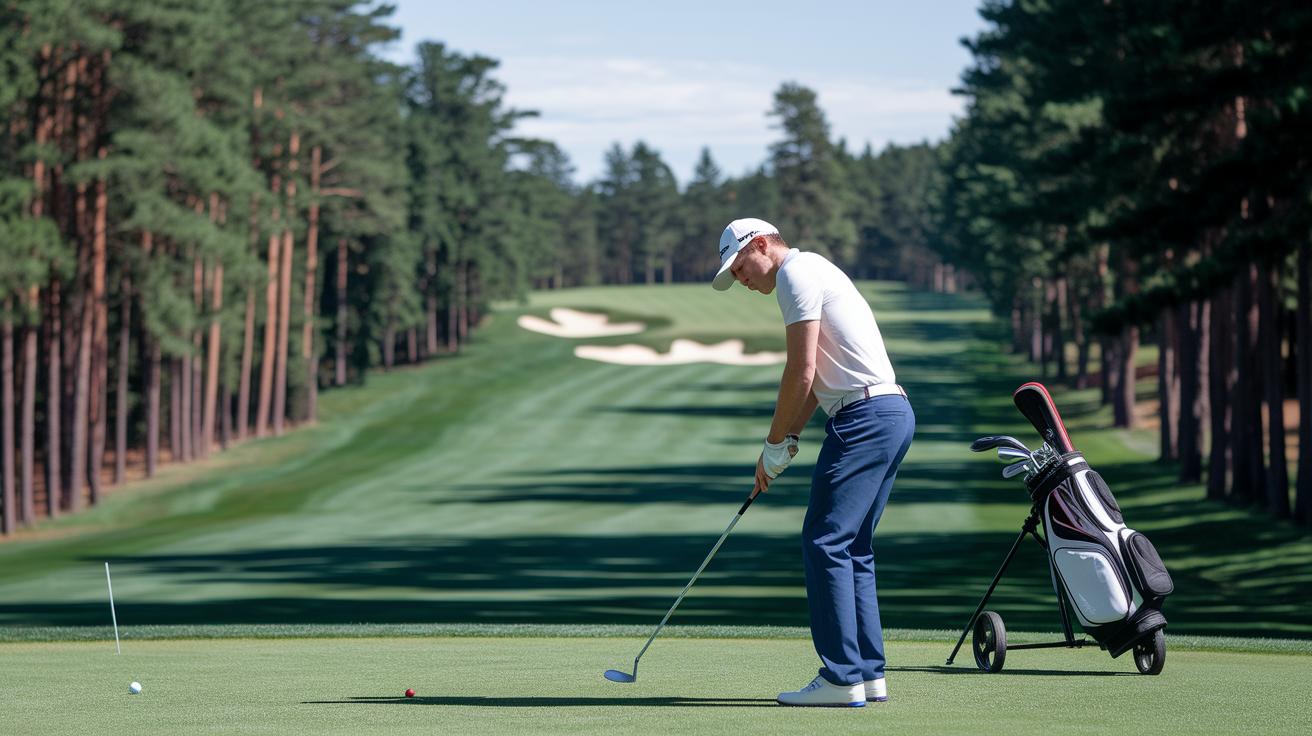
On April 8, 1935, during the final round at Augusta National, Gene Sarazen faced a moment that would go down in golf history. He stood on the par-5 15th, known as Firethorn, about 230 yards from the pin. With a steady grip on his trusty 4-wood, a club famous for its long, powerful drives, he hit a shot that sailed 235 yards. This incredible drive turned into the first double eagle ever recorded at the Masters, tying him with the clubhouse leader by three strokes and setting up a 36‐hole playoff that he won by five strokes.
Picture yourself on that tee, heart pounding as you grip your club, feeling the crisp snap when it connects with the ball. The hush of the crowd adds to the tension, making every swing a real test of nerves. Sarazen’s clever choice and smooth control under pressure turned that challenging moment into a masterpiece. It’s the kind of shot that makes you pause and think, “Wow, that was brilliant,” and it even changed how playoff rounds were handled at the Masters.
| Date | Shot Details |
|---|---|
| April 8, 1935 | Hit a 4-wood from 230 yards, sending the ball 235 yards to earn a double eagle |
| Playoff | Led to a 36-hole playoff, which Sarazen won by five strokes |
Larry Mize’s Sudden-Death Chip-In at the 1987 Masters
On April 13, 1987, the pressure was off the charts. Mize was deep in a sudden-death playoff with Greg Norman and Seve Ballesteros, and the 11th hole felt like a real battleground. His ball, resting just off the green, begged for that expert touch. With a calm yet confident swing, he chipped a 140-foot shot that rolled perfectly for a birdie, so smooth it quieted the tense whispers around him. That balanced, determined play turned a risky moment into an unforgettable shot; a legendary strike that still sparks debate and lights up highlight reels today.
Sandy Lyle’s Bunker Recovery That Won the 1988 Masters
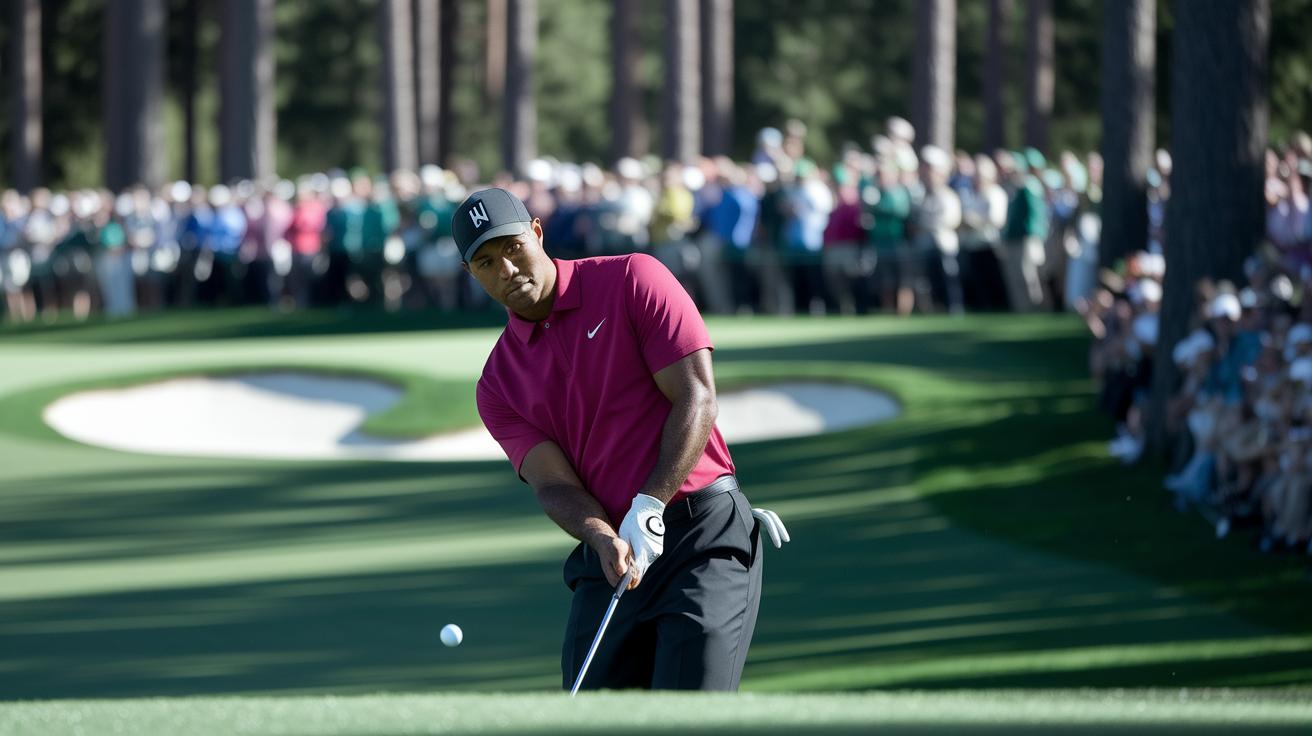
On April 10, 1988, Sandy Lyle’s tee shot took an unexpected detour into the bunker guarding the 18th green at Augusta National. Known for his cool composure, Sandy hit a careful 7-iron shot from the sand that landed within 10 feet of the pin, like a gentle, well-timed splash on a calm pond. That smart recovery not only rescued his round but also etched his name in Masters history as the first British champion to win at Augusta.
Tiger Woods’ Iconic 2005 “In Your Life” Chip on the 16th
In the final round of the 2005 Masters, Tiger faced a real challenge. His tee shot on the 16th landed in deep, thick rough with heavy grass that made his ball lie downhill, a tricky situation that could rattle even the best. But Tiger stayed cool. He calmly picked his high-lofted wedge, picturing every step from the club choice to the smooth rhythm of his swing.
With steady control over the loft, he sent a chip that stopped just six feet from the hole, keeping his one-stroke lead intact. His smart club path and smooth execution turned a tough spot into a game-saving play, showing off some truly brilliant short game skills.
Imagine this: you’re at a critical hole, your ball nestled in heavy rough while the grass rustles around you, and then you hit a shot that lands almost perfectly by the cup. That’s the magic of Tiger’s rescue shot, a moment that still stands as one of golf’s most clutch and unforgettable plays.
Phil Mickelson’s 2010 Pine Straw Heroics Over Rae’s Creek
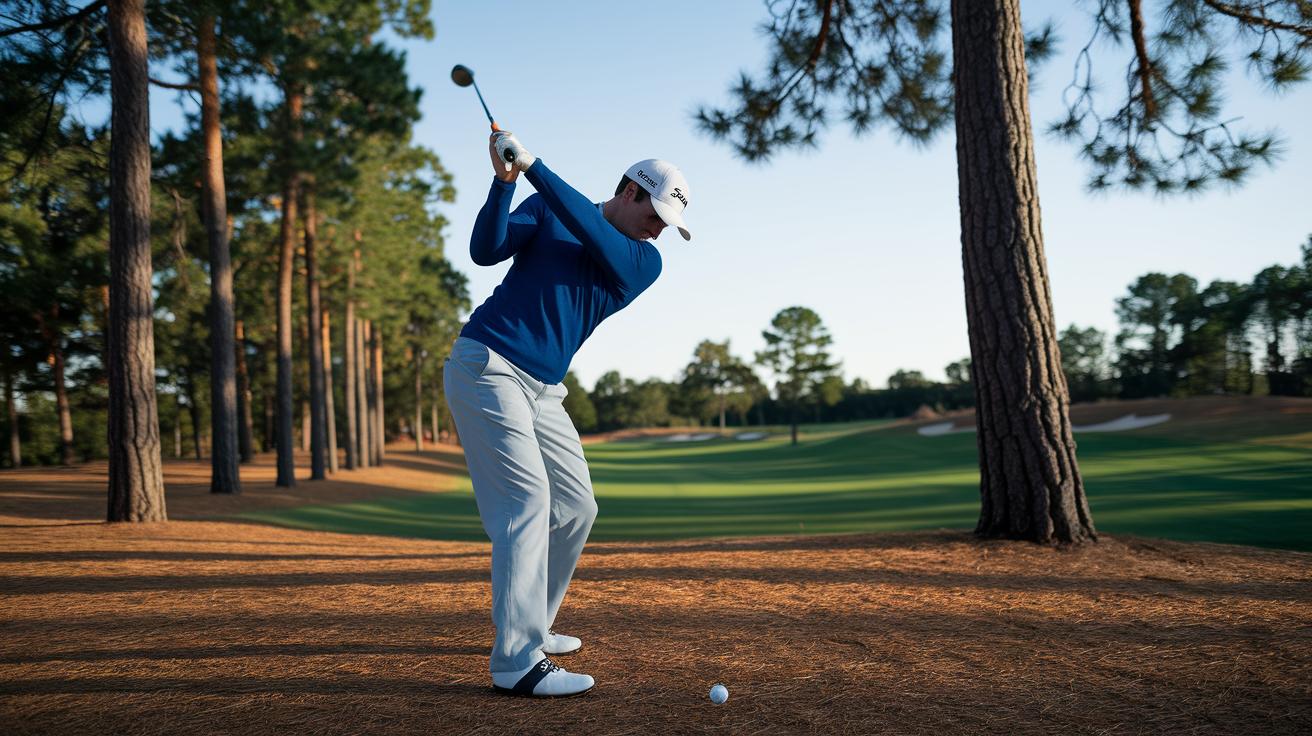
On April 12, 2010, Phil Mickelson found himself in a nail-biting situation on the 13th hole. There he was, behind two trees with a bed of pine straw, facing a high-stakes moment. Instead of playing it safe, he chose a bold shot with his 4-iron, a club that many would consider a risk. He aimed to safely clear Rae’s Creek over a 207-yard shot, carefully eyeing the challenging terrain before him.
Mickelson’s shot was a perfect mix of skill and guts. With a swing as smooth as the crisp snap of a driver off the tee, he managed to control both his direction and distance. Incredibly, the ball came to a stop just three feet from the hole. That moment shifted the energy on the course, pretty much setting him on the path to winning his third green jacket.
When you look at his decision-making, it’s clear that choosing the 4-iron wasn’t just a wild gamble, it was a well-thought-out move. Imagine the pressure at the tee, the sound of nature around you, and the immediate rush of deciding to trust your instincts. Mickelson’s fearless play reminds any golf fan of the thrill that comes with taking a well-calculated risk.
Bubba Watson’s 2012 Miraculous Hook Shot in Playoff
At the first playoff hole of the 2012 Masters, Watson's drive took an unexpected right near some trees by a TV tower, leaving him with a tough lie. He clutched his trusty 5-iron and adjusted his swing with determination, catching everyone's attention.
Picture the ball flying in a dramatic, looping arc, twisting around obstacles with each precise wrist flick. It landed within three feet of the hole, so perfect that it forced a second playoff hole and set him up for a winning birdie.
This incredible play showed off his strong distance control and bold risk-taking. Imagine a ball following a tight, looping path, turning a tricky situation into a championship win. It was both beautiful and daring.
Every twist of that shot tells a story of skill and grit, making it one of golf’s most unforgettable moments.
Anatomy of a Legendary Golf Shot: Mechanics and Mindset

Legendary golf shots come from a perfect mix of solid technique and being completely in the moment. It all starts with choosing the right club, maybe a 4-wood for those long, daring drives, a 7-iron for steady approach shots, or a special wedge for those delicate plays.
Top golfers practice over and over, fine-tuning their swings to match each course and every situation they face. They even adjust their moves when the wind blows hard or the turf gets tricky, making sure every swing sends the ball the right distance.
Before each shot, they take a moment to imagine the ball’s journey. Picture the crisp snap of the club as it launches the ball into a graceful arc over the fairway, landing exactly where it should. That clear mental image helps calm nerves and sharpen focus, especially when the pressure is on.
They also spend time reading the course, checking yardages, noticing subtle slopes, and watching how the wind plays around each hole. In the heat of the moment, like during a playoff or on a tricky bonus hole, they trust their well-practiced swing and clear mental picture to guide them perfectly.
Every swing shows us that golf is both an art and a science. It’s about careful planning, smooth mechanics, and a real sense of focus that creates those unforgettable moments on the course.
How These Legendary Golf Shots Changed the Game
Sarazen’s double eagle was truly breathtaking, leaving the crowd in awe and even changing how tournaments are played. His shot helped pave the way for playoffs, turning high-pressure rounds into a must-have part of the game. With that amazing drive, he set a new standard for playing each hole smartly, inspiring players to believe in success even when things look tough.
Mize’s chip in a sudden-death moment gave amateurs a serious boost of confidence. Imagine watching a shot from 140 feet glide perfectly toward the cup, it shows that keeping your cool and being precise can change the entire feel of a round. That shot quickly turned into a go-to example for many who face tricky situations on the course.
Lyle’s and Watson’s brilliant recovery shots changed the game when it came to risk and reward. They turned difficult challenges into winning plays, showing that taking a smart risk can really pay off, even when nature seems to be against you. Their moves became a lesson in how to turn tough breaks into opportunities, prompting clubs and coaches to focus more on shot shaping and recovery skills.
Woods’ and Mickelson’s well-timed chips pushed modern coaching in a whole new direction. Their clever techniques, perfected under pressure, brought ideas like exact distance control and adjusted swing paths into training sessions. Today’s clubs even reflect these insights with improved designs and better flexibility, giving players the tools they need to hit precisely in any situation.
Each of these legendary shots not only captured our imaginations but also left a lasting mark on course setups, coaching methods, and the very spirit of golf. Their influence continues to inspire golfers at every level, keeping those unforgettable moments alive for generations to come.
Final Words
In the action, we saw a few of golf’s most unforgettable moments, a mix of iconic drives, clutch chips, and smart bunker escapes. Each shot, from Sarazen’s early magic to Watson’s bold playoff play, shows how skill and daring blend perfectly on the course. The mechanics and mindset displayed remind us that every round holds potential for greatness. Keep swinging with passion, and enjoy every moment on the green with legendary golf shots.
FAQ
What is the most famous shot in golf history?
The famous shot in golf history is Gene Sarazen’s 1935 double eagle at Augusta, which changed the course of a round and tournament play with its unmatched long-range heroics.
What is the rarest golf shot?
The rarest golf shot is the double eagle, also known as an albatross, a feat that appears incredibly infrequently and remains a prized moment even for top golfers.
What are the 9 shots in golf?
The nine key shots in golf include drives, tee shots, approach shots, chips, pitches, flops, bunker escapes, putts, and recovery shots, each crafted to handle different course challenges.
What is the hardest shot in golf?
The hardest shot in golf is often considered a recovery from difficult lies like deep rough or bunkers, demanding exceptional skill, precise technique, and intense focus under pressure.

