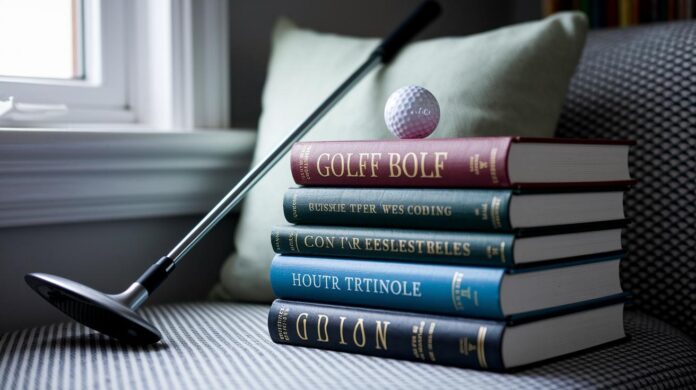
Have you ever wondered why old golf books still charm modern players? They bring the game to life with stories of early days on the green and maps sketched by hand. Imagine flipping through pages that not only teach you about your swing but also offer a glimpse of golf at its best. In this post, we’ll chat about the classic works and their authors whose words still echo on every fairway, giving you something special to think about whether you’re on the course or off it.
Classic Golf Literature Essentials: Key Works, Authors, and Historical Significance
Golf writing has come a long way over the years, giving us a peek into the game’s evolving history, techniques, and beauty. Imagine flipping through a book like “Fifty Years of Golf,” filled with 36 hand-drawn plates that bring the early days of the sport to life. It’s like taking a stroll down memory lane where every page paints a vivid picture of detailed course layouts and charming portraits that capture the soul of golf.
Ever been captivated by titles like “Lost Links: Forgotten Treasures of the Golden Age” or “Golf: The Impossible Collection”? These books are special. They mix beautiful, old-school storytelling with practical tips and guide you like a seasoned mentor before video tutorials even existed. It’s a blend of history and hands-on advice that makes you feel you’re right there on the course, learning the art and science behind every swing.
Then there are the instructional books that really changed the game for both newbies and seasoned players. Works like “Ben Hogan’s Five Lessons: The Modern Fundamentals of Golf,” “Every Shot Must Have a Purpose,” and “The Inner Game of Golf” are timeless. Authors such as Ben Hogan and W. Timothy Gallwey teach us not just the mechanics of a perfect swing, but also the mental strength needed when you’re out there on the green. Their words connect lessons from the old days with modern strategies, making golf feel both traditional and fresh at the same time.
What’s truly amazing is how these classic texts don’t just break down the physical moves of the game, instead, they celebrate every little detail. They capture the satisfying crack of a driver off the tee and the quiet reflection on the greens, making you feel like each page is a journey through golf’s rich history and endless inspiration.
Historical Context of Classic Golf Literature
Back in the day, golf writing was pure and simple. A short four-page historical essay set the stage by offering a quick look at how golf was played and seen. One standout moment was a 1958 speech at St. Andrews during the Freedom of the City ceremony. It captured the heart of the game just as it began to win over more fans.
Over time, things changed. Golf publications went from plain pamphlets to beautifully illustrated books that practically brought the sport to life. Scottish printers and bold publishers made it happen. They churned out the first golf manuscripts, complete with detailed course layouts and vibrant portraits of players. Every book was not just a lesson in golf, but also a little piece of art.
These early works laid the groundwork for what we now call classic golf literature. They mirror the social and tech changes of their era and give us a unique look at early golf techniques and traditions. Flipping through these vintage pages feels like connecting with the rich history and passion that built the game we love today.
Classic Golf Literature through Vintage Fairway Narratives and Storytelling
Classic golf books draw you in with colorful tales and a deep love for the game's long history. Books like "Lost Links: Forgotten Treasures of the Golden Age" take you back to a time when every round felt like a real battle on the course. It’s like stepping onto a bright, early-morning fairway where you hear nature softly humming and feel the crisp snap of a ball off the tee.
These writings go beyond just the numbers and swings. They celebrate the heart of golf through stories that capture both epic tournament moments and the quiet beauty of a well-played round. Authors mix detailed accounts of big matches with personal memories, giving you a taste of what makes golf so special. Ever felt that surge of excitement after a perfect putt? That is the magic these narratives bring to life.
- Reliving landmark matches
- Sharing unforgettable tournament stories
- Highlighting famous holes and key turning points
| Element | Description |
|---|---|
| Storytelling | Merges detailed match accounts with heartfelt personal memories |
| Visual Imagery | Uses vivid language that lets you picture the course and its traditions |
Instructional Legacy in Classic Golf Literature
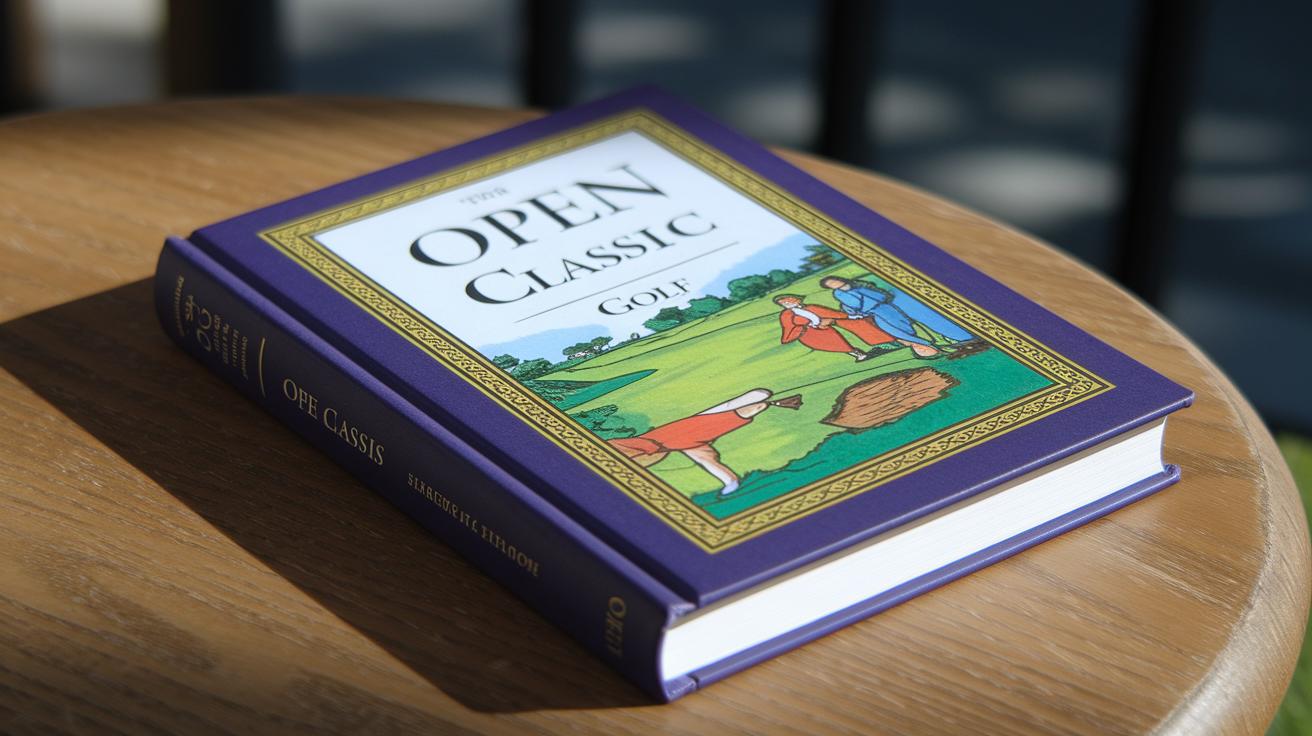
Classic golf books laid down lessons that still shape how we learn the game today. Early articles offered simple drills and clear tips to sharpen your mind, and now these ideas mix with cool tools like video clips and digital feedback.
Hogan taught us that a good grip, balanced stance, and smooth follow-through are the heart of every swing. Gallwey reminded us to see each shot as a new beginning. Today, coaches add real-time data from wearable sensors to fine-tune every move. It’s like hearing Hogan say, "A firm grip and steady stance create a solid swing," while watching slow-motion footage break down every detail.
Key points to note:
- Classic fundamentals still build a reliable swing.
- Early mental tips still guide our focus on the course.
- Modern gadgets help us polish those time-tested drills.
| Era | Instructional Approach |
|---|---|
| Classic | Simple drills and clear focus |
| Modern | Digital tools and real-time feedback |
Today’s coaching shows how old wisdom pairs perfectly with new tech. It’s a blend of tradition and technology that gives every golfer the best of both worlds.
Art and Illustration in Classic Golf Literature
Classic golf literature isn’t just about great writing, it’s also full of stunning artwork. Imagine opening a book like "Fifty Years of Golf" and seeing 36 hand-drawn plates that turn every page into a living scene. These drawings, from portraits of golf legends to detailed maps of courses, let you feel like you’re stepping back in time. Picture an artist’s careful brushstroke showing the soft curves of an old green. It’s like watching the sunrise light up a perfectly cared-for fairway.
These artworks do more than just look pretty. They help explain tricky ideas about how courses are built and even how to swing a club. Each drawing works as both a helpful guide and a beautiful piece of art that collectors and fans really appreciate. They bridge the gap between reading about golf and actually experiencing the game in real life.
- 36 hand-drawn plates that tell a story
- Detailed portraits and maps that make concepts easier to understand
- Artwork that turns old tales into visual treats
| Illustrative Element | Impact |
|---|---|
| Hand-drawn plates | Bring historic moments to life |
| Portraits and course maps | Enhance storytelling and add value for collectors |
Collecting and Preserving Classic Golf Literature

Golf collectors know that these classic books are more than just pages; they're a piece of golf history kept in print. To keep them in top shape, store your volumes in a cool, dry spot away from direct sunlight. Think of it like finding a shady spot on the course to relax, just as you protect your clubs, protect your books. Using archival-quality boxes and acid-free paper helps keep them safe from the harsh effects of time.
Handling these treasures takes a gentle touch. Picture yourself carefully cleaning a favorite club after a long day on the links. Use a soft, lint-free cloth and a mild cleaning solution to dust off your books. It’s like giving your gear a quick polish, ensuring every page remains crisp and ready to share its golfing tales.
Collecting first editions or signed copies, especially with autographs from legends like Hogan or Jones, adds a special sparkle to your collection. Limited edition gems, such as "Golf: The Impossible Collection," hold stories of legendary rounds and unforgettable moments on the course.
Key tips for proper care include:
- Keep your books in a climate-controlled environment.
- Use gentle cleaning supplies to maintain crisp pages.
- Handle signed and rare editions with extra care.
| Practice | Benefit |
|---|---|
| Proper storage | Stops fading and warping |
| Gentle cleaning | Keeps pages and covers neat |
These steps help ensure that your classic golf literature stays a cherished part of your collection, ready to inspire future rounds and timeless golf stories.
Where to Find and Purchase Classic Golf Literature
Finding rare golf books is a bit like hunting for a secret fairway on a cool morning. Many collectors kick things off by checking out online shops that gather vintage golf reads in one neat spot. These sites show off detailed listings where you can easily sort by edition and condition. And when you’re browsing, take a moment to read the description closely and compare details, it's a smart way to spot a genuine first edition or a signed copy.
Auction houses are another great spot to check out. They often set up special auctions with rare golf books where you can bid on limited-edition finds. Before you make your decision, be sure to review the book’s history and take a good look at any photos provided. Many auction sites even include a buyer’s guide so you can verify the details before you commit.
Don’t forget about local bookstores, especially those that specialize in old, vintage publications. Wandering through a quaint shop can lead to delightful surprises you might not see in an online catalog.
| Online Shops | Auction Houses | Local Bookstores |
|---|---|---|
| Curated vintage collections | Rare, signed, and limited editions | Nostalgic, hands-on browsing |
You can also use search alerts and stay tuned to posts about historic rounds to boost your chances of finding that perfect piece for your collection. Taking this careful approach will help you secure classic golf literature that keeps the spirit of the game alive.
Final Words
In the action, we took a swing through the evolution of golf writing, from early historical texts and memorable course tales to instructional guides and stunning illustrations. We dissected the magic behind vintage fairway storytelling and learned tips for caring for cherished editions.
This deep dive brings fresh insights to help any golfer enjoy and improve their game while exploring classic golf literature. Every page and shot reminds us that the game, like the art of its literature, never loses its charm.
FAQ
How can I access classic golf literature PDF files?
Classic golf literature PDF files offer digital versions of historical texts and instructional guides. They provide an easy way to explore foundational works on golf and can be found through specialized sites and digital libraries.
Who are some famous classic golf literature authors and what are their notable works?
Renowned authors like Ben Hogan, Harvey Penick, and W. Timothy Gallwey wrote influential books. Their works, including Five Lessons and Little Red Book, blend clear instruction with engaging stories to guide golfers.
What are some highly regarded golf history books?
Golf history books document changes in course design and record memorable tournament moments. They provide insights into golf’s evolution while celebrating key figures and events that shaped the sport.
What are some of the best and best-selling golf books ever written, including those popular on online communities?
Iconic titles like Ben Hogan’s Five Lessons and Harvey Penick’s Little Red Book lead bestseller lists. These books combine solid instruction with storytelling, making them favorites among both collectors and online golf communities.
What are the 5 letter words associated with golf?
The 5 letter words tied to golf often include “green,” “wedge,” and “caddy.” These terms highlight essential equipment and areas on the course, adding a playful twist to the sport’s language.
What is considered the best golf psychology book?
The best golf psychology book shines a light on the mental side of the game by teaching focus and calm. Works like The Inner Game of Golf offer practical techniques to improve concentration on the course.
What are the 5 pillars of the golf swing?
The 5 pillars of the golf swing include grip, stance, posture, alignment, and tempo. These elements combine to create a balanced, repeatable swing that helps golfers play more consistently.
What makes Harvey Penick’s Little Red Book a classic?
Harvey Penick’s Little Red Book is special for its simple, friendly advice and memorable tips. It offers easy-to-follow guidance that resonates with both beginners and seasoned players.
What can golfers learn from Ben Hogan’s Five Lessons?
Ben Hogan’s Five Lessons explains key fundamentals with clear diagrams and detailed descriptions. It focuses on grip, stance, and swing mechanics, offering timeless insights that have guided golfers for decades.
How does Unconscious Putting by Dave Stockton help improve a player’s game?
Unconscious Putting teaches players to trust their natural motion on the greens. Its advice focuses on reducing overthinking and relying on feel, helping golfers putt with smoother, more confident strokes.
What is the main message of Golf Is Not A Game Of Perfect?
Golf Is Not A Game Of Perfect reminds players that mistakes are part of the sport. It encourages embracing imperfections and learning from each shot to enhance overall enjoyment and performance.
What practical tips does Dave Pelz’s Short Game Bible offer?
Dave Pelz’s Short Game Bible provides essential techniques and drills for improving play around the greens. Its clear instructions help golfers fine-tune the short game, directly impacting their scores.
How does Every Shot Counts influence a golfer’s approach to the game?
Every Shot Counts stresses the importance of making each swing deliberate and focused. Its lessons guide players to plan and execute their shots with care, leading to a more purposeful, successful game.

