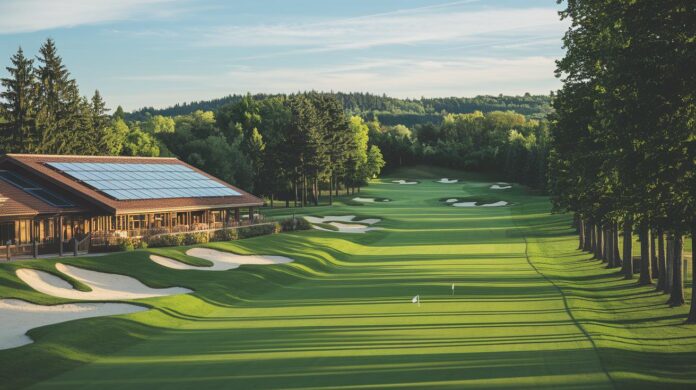
Ever thought a golf course could sing nature’s tune? Picture walking onto a fairway that follows the gentle curves of the land and cozies up to local plants and animals. Course makers are designing these courses to disturb the soil as little as possible while still giving you a fun and exciting round.
This fresh, green approach proves that playing golf and caring for our earth can go hand in hand. It brings together the thrill of a perfect swing and the beauty of a healthy landscape. Ever felt that perfect moment on a course that feels truly connected to nature?
Implementing Sustainable Golf Course Layout Design Principles
Green design starts with a commitment to keeping our environment healthy while still delivering great play. Imagine a course where fairways gently follow the natural curves of hills, preserving native plants and wildlife for a round that feels both thrilling and natural.
The goal is to cause as little disruption as possible. Designers work closely with the natural lay of the land to avoid too much soil disturbance, placing hazards and greens so they seem to sprout directly from the landscape. This approach helps protect local flora and fauna while keeping erosion in check.
In practical terms, the course doubles as a green space that works like a wildlife corridor and even captures methane, a gas sometimes released from wet soils. Clever systems, like sensors hidden among the grass, keep an eye on any environmental changes and ensure minor emissions are handled correctly. Every swing becomes a quiet nod to nature, making your game feel like a celebration of both the sport and our beautiful earth.
Sustainable Land Use and Course Routing in Golf Course Layout Design
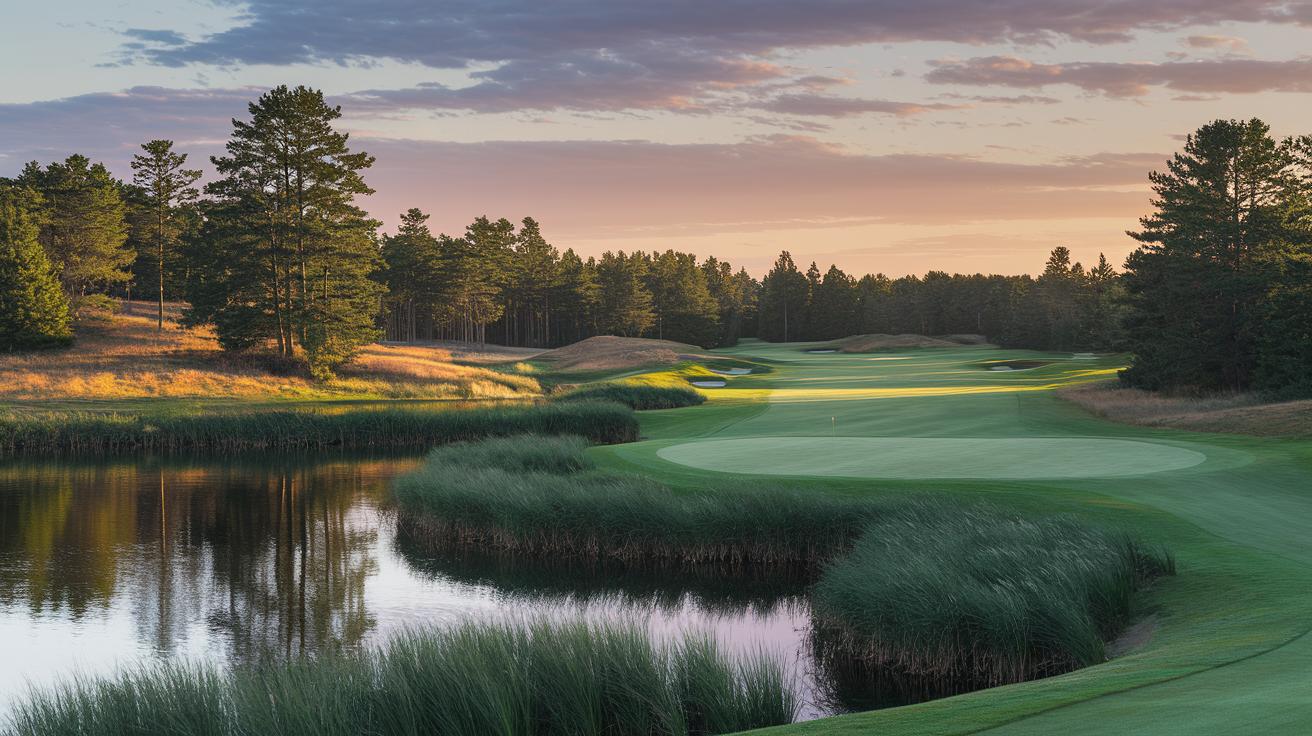
When designing a golf course, experts shape fairways, tees, and hazards by following the land's natural curves and hills. They use gentle slopes and contours to keep soil disruption low and prevent erosion. Modern sensor systems check on details like methane levels and soil moisture in wet spots. Picture a sensor in a damp area alerting the team in just minutes if something seems off.
Next, smart projects mix real-life examples where courses protect wildlife while still being fun to play. For example, one course uses sensor tech and smart water systems to keep wetlands and natural ponds untouched by man-made structures. They also set aside flexible green areas that work for both golfers and wildlife. These zones not only help local plants and animals but also give you a chance to see nature change with the seasons.
Every part of a course now blends classic design with modern sensor technology. This approach creates a playing area that stays true to nature while handling today's challenges in the sport.
Water Conservation Strategies in Sustainable Golf Course Layout Design
Water is a big deal when planning a golf course. A single round can use up to 300 gallons, so smart water planning is a must. Designers now use tough, drought-resistant grasses that need less water and even help keep the soil healthier. And they’re not just relying on nature, they use high-tech sprinklers with sensors that know exactly when to water based on the weather. For instance, these systems tweak the watering schedule in real time, making sure every drop counts. They also harvest rainwater and recycle on-site wastewater to cut back on using fresh water.
This focus on water efficiency is built right into the course design. Designers mix natural recycling methods with clever drought strategies that match water use to the weather. They create small channels and catchment areas to direct rain right where it can be used best. Some courses even use recycled or treated wastewater to give the greens a gentle, effective soak. With these techniques, water delivery is precise, local water tables stay safe, and overall maintenance costs drop. By combining rainwater harvesting with smart irrigation, the layout not only meets environmental goals but also keeps the course playing at its best. Every drop truly matters.
Biodiversity Enhancement Through Native Vegetation in Golf Course Layout Design
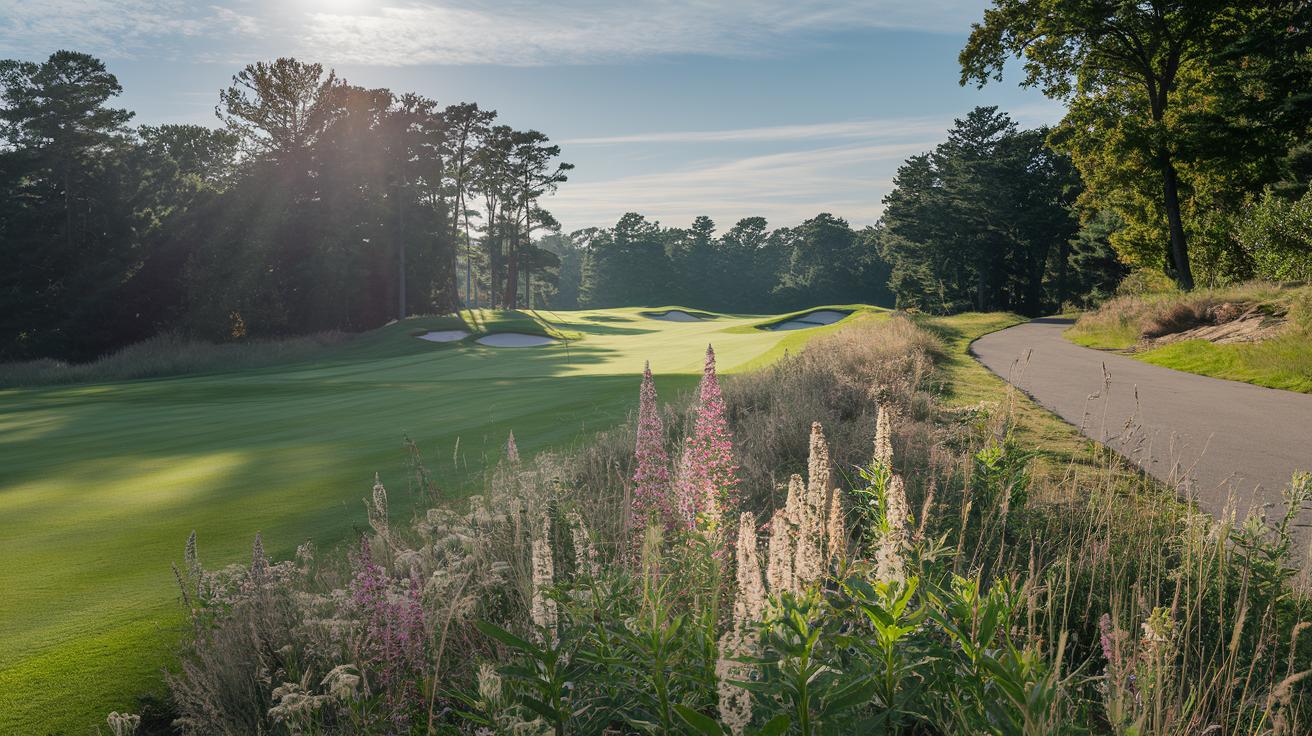
Using native plants in a golf course isn’t just about beauty, it’s a win for nature too. When we bring in local species, we help support the homegrown birds, butterflies, and helpful insects that make these areas feel alive. Imagine the crisp snap of a driver off the tee and then spotting wildflowers lining the fairway edges, forming natural corridors for wildlife to roam. It means less chemical use and a more relaxed, eco-friendly space for everyone.
Designers also work in protected zones and green patches right among the play areas. They set up little corridors where islands of native plants connect, so animals can wander without disturbing your game. In some spots, existing wetlands are kept intact, doing double duty as a natural habitat and even helping to manage things like methane levels, while also cutting down on erosion and runoff. Sounds pretty neat, right?
All in all, a course planned with native vegetation brings a bright, green vibe that’s as fun to play on as it is kind to nature. It creates a living portrait where local species flourish and players enjoy a fresh, natural feel with every swing.
Renewable Energy and Resource Efficiency in Sustainable Golf Course Layout Design
Golf courses are embracing clean energy and smart resource use to create layouts that work in sync with nature. Designers add solar panels that soak up the sun’s power and small wind turbines that catch the breeze to run irrigation systems and clubhouses. Smart sensors help these systems know when to draw energy, saving power during quieter times. LED lights brighten up pathways, tees, and cart tracks, cutting electricity use while keeping everything well lit. Did you know many modern courses save up to 20% on energy bills just by switching to LED lighting?
Switching from gasoline-powered golf carts and tools to electric options is truly a game changer. It not only gives a boost to the environment but also makes running the course a smoother operation. Wastewater treatment areas now use techniques to reduce methane, which means energy production and waste processing add very little to carbon emissions. By blending clean energy into every part of the facility, everything works together naturally.
When renewable resources take center stage, you’ll notice on-site solar charging stations for golf carts and energy-smart outdoor features spread throughout the course. Each design element fits perfectly with the next, creating a bright, green space that shows real respect for our environment. Combining electric gear with solar power lowers overall emissions, making for a modern, efficient, and eco-friendly setting that both golfers and nature appreciate. This smart setup transforms a round of golf into a refreshing green experience.
Low-Impact Maintenance and Organic Turf Management in Golf Course Layout Design
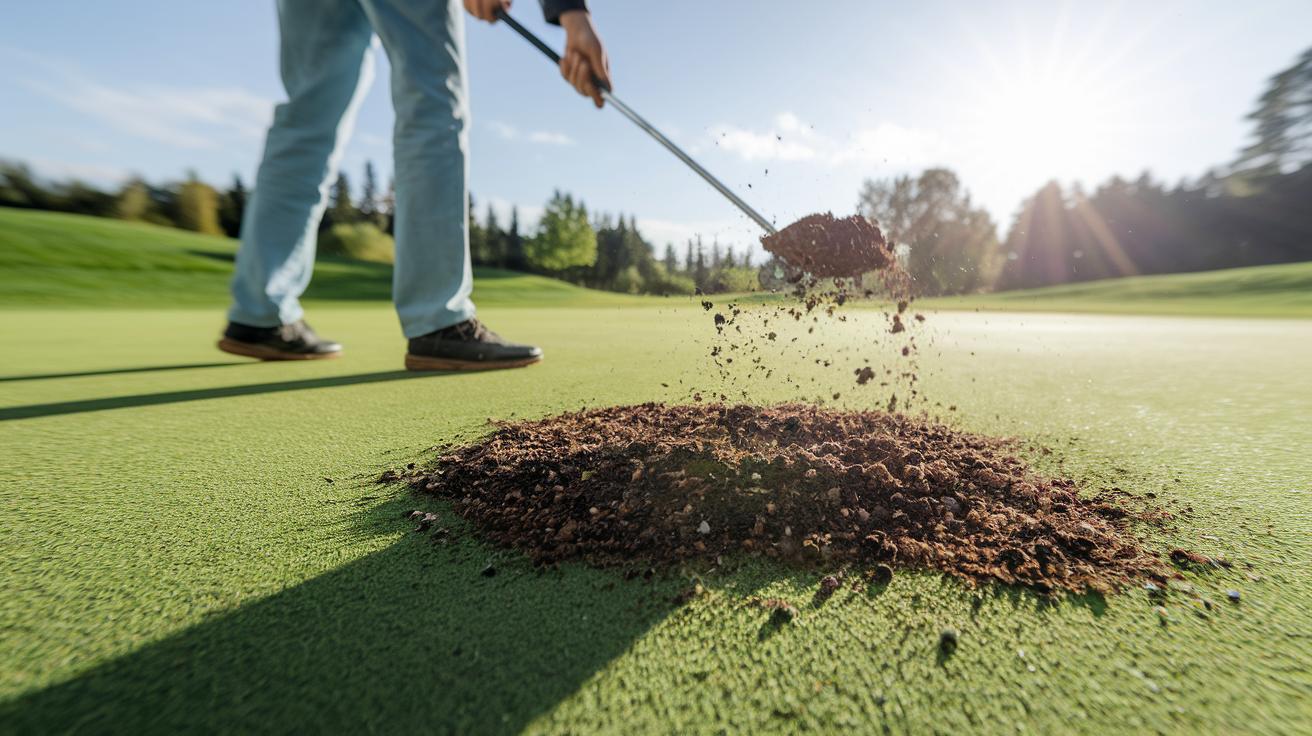
Organic turf care starts with nature. Picture yourself gently spreading a natural compost mix over the greens, much like a soft shower nourishing freshly cut grass. This method uses natural fertilizers, composting, and mulching to keep the soil strong and healthy. The maintenance team even mixes these organic practices with regular composting cycles to naturally return nutrients back to the earth.
Integrated pest management is key here too. Instead of heavy chemicals, courses rely on biological controls and targeted treatments, think of it like inviting helpful critters to handle the pests quietly in the background. Routine soil tests, including checks on gases like methane, guide decisions on when to aerate and adjust routines. This careful balance not only keeps the turf vibrant but also cuts energy use during mowing, trimming, and other operations.
By blending organic methods with smart, low-impact maintenance, golf courses achieve a resilient layout that feels as natural as a day spent on the fairway. Every detail, from periodic aeration to well-timed trimming, is planned to keep the course eco-friendly and a pleasure to play on.
Case Studies Showcasing Sustainable Golf Course Layout Design
DTE Golf® gives us a clear look at how smart irrigation can make a big impact. They used drought-resistant grasses and collected rainwater on site, cutting water usage by 50%. Imagine that, the crisp snap of a well-planned strategy led to half the water needed. This story backs up what we've been saying about using sensors to manage water wisely.
Another course reached environmental certification by adding natural plant corridors. These green pathways not only make the course more fun to play on but also lower chemical use by relying on native plants and simple, automated water checks. It’s like having nature help out on the course, making everything feel a bit more natural and safe.
Both of these examples show that smart sensor use and clever water management can really change the game for sustainable golf course design.
Final Words
In the action, we took a close look at design tweaks that mix playability and nature. We talked routing that works with the land, efficient water use, and organic care for the turf. The case studies shared smart ideas from real courses, showing how clean energy and low-impact maintenance can keep the course vibrant. Every tip feels like a chat between golf friends about making each swing count. By combining these insights, you tap into the power of sustainable golf course layout design.
FAQ
Sustainable golf course layout design pdf
The sustainable golf course layout design PDF provides guidelines outlining eco-friendly planning, water conservation, and renewable energy techniques for balancing natural habitats with enjoyable playability.
Sustainable golf course layout design free
The sustainable golf course layout design free resources offer cost-free strategies and models that integrate water-saving methods, organic maintenance, and native vegetation to reduce environmental impact.
How to make a sustainable golf course?
The process of making a sustainable golf course involves planning around natural terrain, using drought-tolerant turf, incorporating water and energy conservation tools, and preserving local wildlife habitats.
What makes a good golf course layout?
The elements that form a good golf course layout include thoughtful use of natural topography to reduce erosion, integration of eco-friendly practices, and careful design of playing areas that honor both functionality and nature.
What are the 3 W golf courses?
The term “3 W golf courses” typically refers to designs emphasizing water conservation, waste minimization, and wildlife protection, which together foster an eco-friendly and sustainable playing environment.
How eco-friendly are golf courses?
Golf courses can be very eco-friendly when they incorporate strategies like water conservation, organic turf management, native plant integration, and renewable energy, all of which help reduce their overall environmental footprint.

