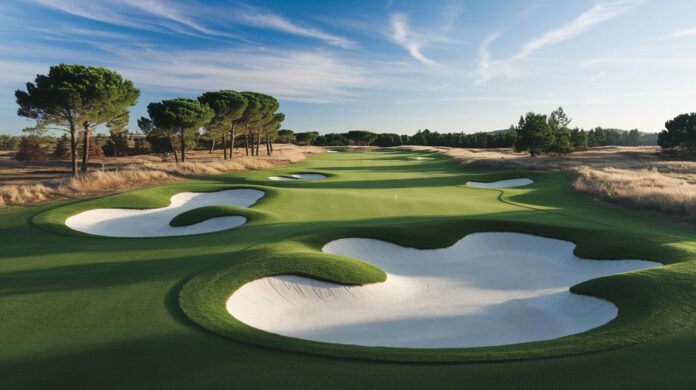
Have you ever thought about how a golf course can be both a fun playground and a way to care for nature? Modern golf course design is taking a fresh approach by mixing eco-friendly features, smart tech, and even spots to stay active.
Designers are opting for drought-resistant grasses and native plants that look great and are kind to the earth. They even include tech previews for each hole, so you can see exactly what to expect before you tee off.
This new style makes every round of golf feel exciting while also giving back to nature. It’s a win-win for golfers and the planet, making each game a little more special.
Key Elements Shaping Modern Golf Course Design Trends
Designers are now putting sustainability first when planning new golf courses. They create layouts that save water and lower costs by using nature's own tools. For example, they use drought-resistant grasses and native plants that cut down on irrigation needs. This means fewer chemicals in the mix and more help for local wildlife. All of this makes for a beautiful, eco-friendly course where you can enjoy a great round on lush, green fairways.
Today's courses also bring in smart, new tech. Drones fly over the land to make detailed maps in a fraction of the time it used to take. Virtual reality lets everyone check out each hole before it's even built – kind of like a golfer studying a tricky course. AI systems keep an eye on everything, from how the turf is doing to how many players are on the greens, and even spot weather changes. With these tech tools, designers can tweak plans on the fly to make sure the course meets player needs and respects the environment.
A new trend is mixing wellness with simple, nature-rich design. Many courses now have water-saving practice zones, shorter walking paths, and even outdoor fitness spots. It’s not just about playing golf anymore, it’s about living a healthier lifestyle. Less heavy earth-moving work means up to 80 percent of the land stays natural and pretty. The result is a course that blends smart tech, the beauty of nature, and a focus on well-being. Whether you’re just looking for a fun day out or a serious challenge, these modern designs are inviting and efficient.
| Key Focus | Description |
|---|---|
| Environmental stewardship and sustainability | Caring for the earth with water-saving methods and natural landscaping. |
| Digital and automated technologies | Using drones, virtual reality, and AI to shape and maintain the course. |
| Wellness and lifestyle integration | Incorporating fitness areas and efficient designs that promote a healthy lifestyle. |
| Natural harmony via minimalist aesthetics | Keeping most of the natural landscape, so the course feels open and balanced. |
Sustainability and Eco-Conscious Landscape in Modern Golf Course Design Trends
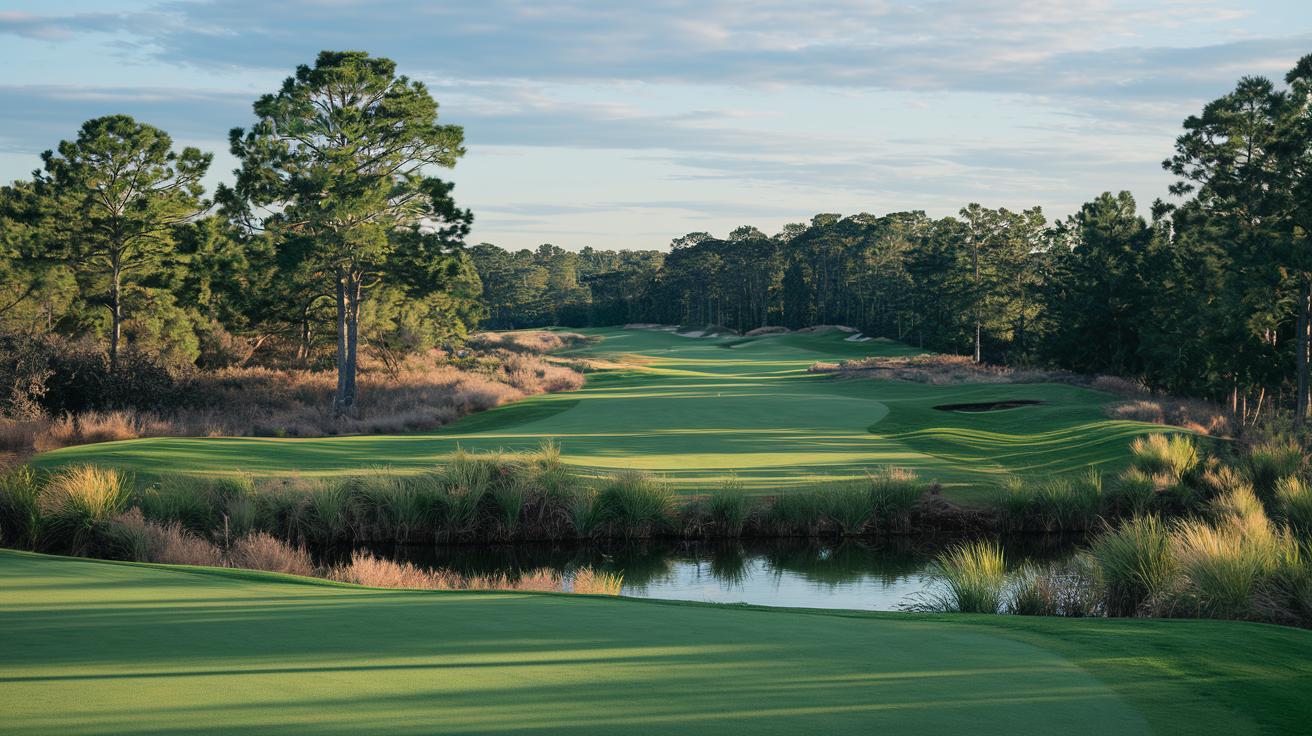
Modern golf courses are getting greener. They are cutting back on water use and chemicals by using natural methods. For example, using local plants can lower the need for extra watering by about 30 percent and bring in local wildlife. It’s like inviting nature to join your game.
Course designers mix traditional fairway work with eco-friendly practices to keep natural areas intact. They restore landscape corridors and help hold the soil in place. Plus, rainwater systems with soil sensors only water when needed, keeping waste to a minimum and matching green standards.
Some designers use greywater reuse too. This system can cover up to 25 percent of the water needed each day. Together with other green strategies, these methods make courses look great and help protect the environment. When you play on these courses, you can see how nature and sport can work hand in hand.
| Method | Benefit |
|---|---|
| Rainwater Harvesting with Sensors | Waters the course only when the soil is dry or when rain is low |
| Greywater Reuse | Meets up to 25% of the daily water needs |
| Native Species Planting | Cuts watering by 30% and attracts local animals |
Technology Adoption in Modern Golf Course Design Trends
Digital innovations are reshaping how golf courses are designed by mixing smart tech with on-site tools. Drone surveys now capture detailed 3D maps with such precision you can almost feel every contour, cutting down the survey time a lot. And with virtual reality, you can take a walk through new hole layouts as if the course were already up and running, almost like playing before a ball is even hit.
Today’s advanced design software is a game-changer. It combines CAD tools, which help ensure the slopes and drainage are just right, with AI that keeps an eye on moisture, pest issues, and wear as they happen. One designer even mentioned, "Our CAD-integrated system worked just like a well-timed club swing, syncing every adjustment right when we needed it."
- Precise drone mapping that speeds up creating detailed 3D terrain models.
- Virtual reality walkthroughs that let you experience the course before it’s built.
- Real-time AI tracking for moisture, pest pressure, and wear patterns.
- CAD design integration for perfect grading and drainage aligned with on-site machinery.
- Advanced software that fine-tunes every detail of the course layout.
Advanced Hazard and Bunker Engineering in Modern Golf Course Design Trends
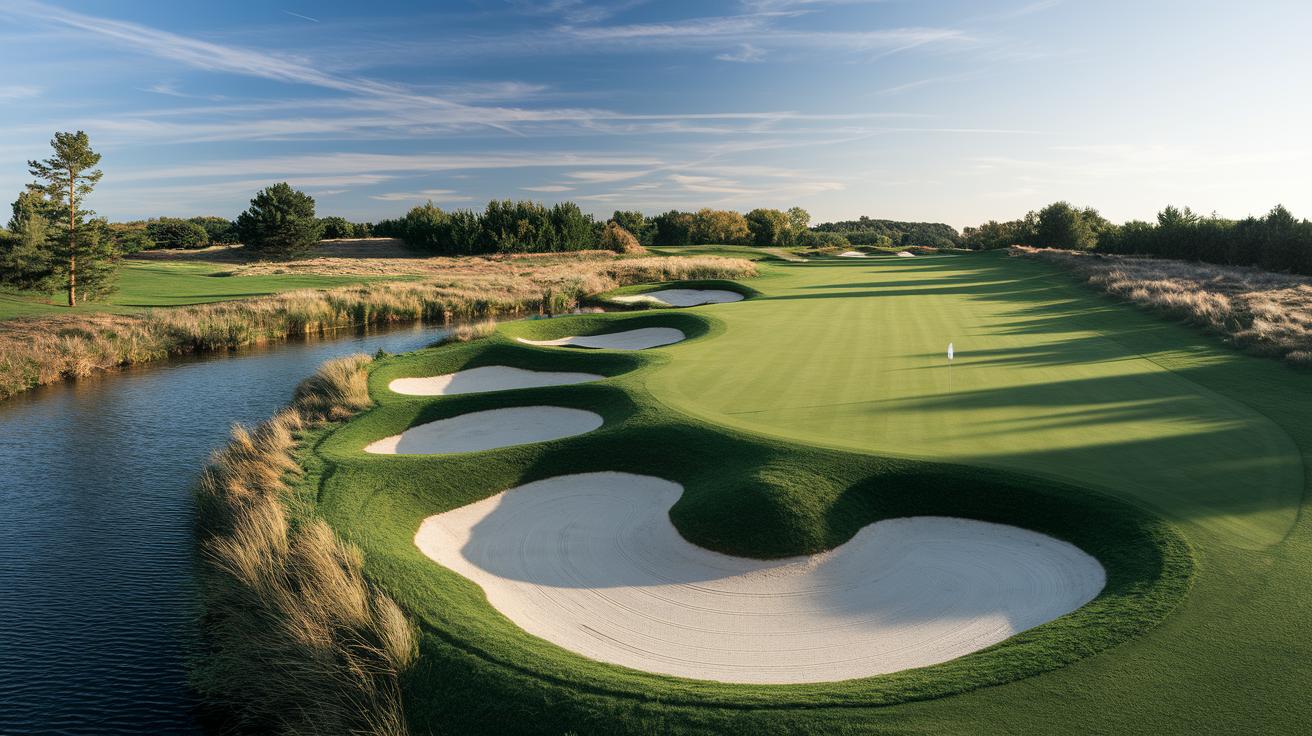
These days, golf course designers are all about working with nature. They use smart ideas to create hazards and bunkers that respect the land’s natural shape. Imagine reclaimed sand mixed with pervious liners that let water flow away easily without heavy digging. It’s like letting the course breathe while still challenging your skills.
Take a look at these cool design choices:
| Feature | Benefit |
|---|---|
| Bunkers | They use reclaimed sand and liners that manage runoff effectively |
| Placement | Smart spots reduce earth-moving by up to 50% |
| Water Hazards | They double as stormwater retention basins, handling heavy rains |
| Eco-Friendly Materials | Encourage native plant regrowth around bunkers |
This approach brings a fresh feel to every fairway. Designers blend competitive challenges with environmental care so that the course not only tests your skills but also keeps nature in mind. It’s like playing on a course that knows how to balance excitement and sustainability perfectly, making each shot feel part of a grander plan for both golfers and the earth.
Innovative Water Management and Irrigation in Modern Golf Course Design Trends
Today’s golf course designs mix smart water use with a true love for the environment. They use nifty sensors in the soil and current weather info to water only when needed – sort of like a pro reading the green. That clever system can slash water use by about 35% by making sure every drop counts.
Some courses even feature ponds that gather rainwater and recycled runoff. This water covers around 20% of what the course needs for irrigation, keeping the greens looking great without overusing local resources. Techniques like rainwater harvesting and sensor-based spraying team up to save water and cut down on chemicals, giving the course a natural, clean feel.
And then there are subsurface drip systems that bring water right to the roots. These systems reduce evaporation losses by 40%, making sure the plants get exactly what they need. By pairing smart stormwater tactics with solid water resource planning, modern golf courses stay pristine while caring for the planet.
Wellness, Lifestyle Integration, and Aesthetic Planning in Modern Golf Course Design Trends
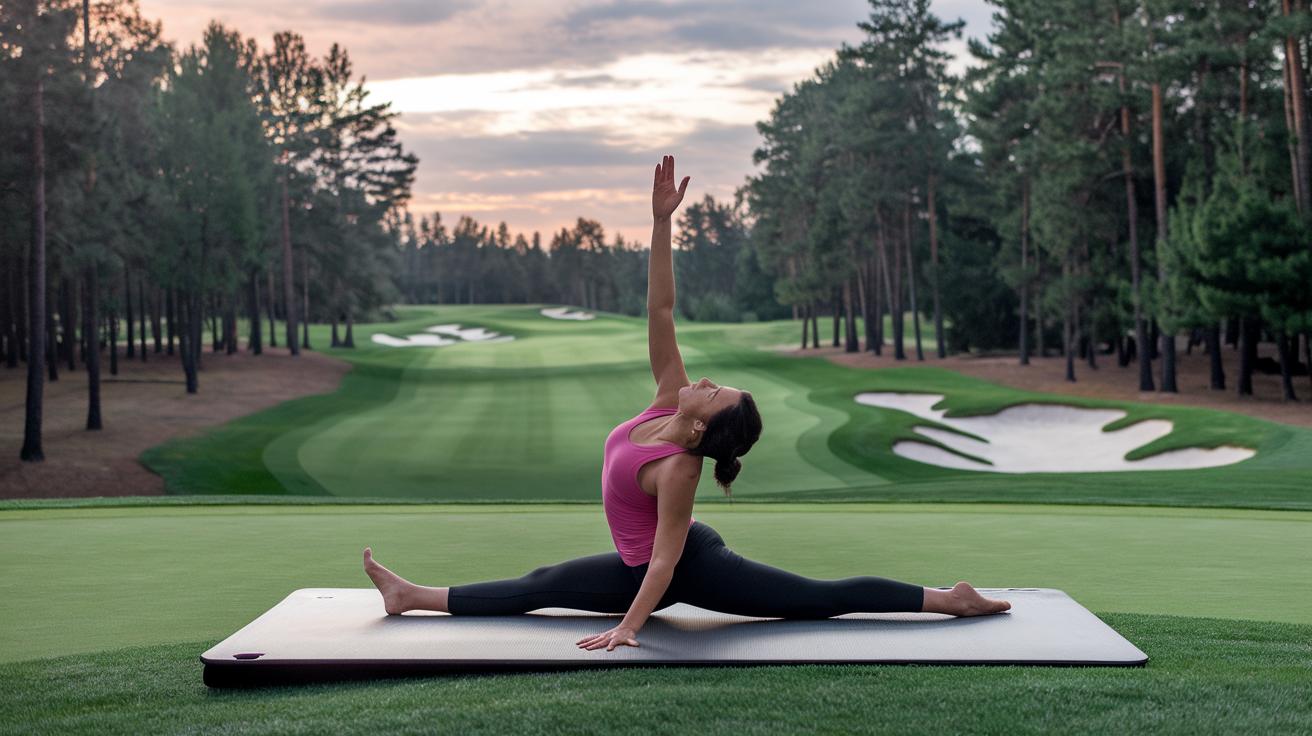
Today’s golf courses are more than just areas to play, they’re spots where health and nature come together. You might find outdoor workout zones, yoga decks, and practice greens mixed with creative hole layouts and winding fairways. Imagine stretching on a yoga platform by the green, setting the mood for a laid-back round.
The clubhouse keeps the vibe alive, offering heart-healthy meals made from fresh, local produce. They even keep the design simple by saving up to 80 percent of the local trees, letting you feel close to nature. All these thoughtful touches make every game feel more relaxed and lifestyle-friendly.
Case Studies and Design Trend Forecasting in Modern Golf Course Design Trends
Hermitage Golf Course has taken a smart step by embracing eco-friendly methods. They use natural maintenance techniques, special grasses that use less water, and solar-powered irrigation to keep the course looking great. This new approach means less work for the crew and a big saving on water compared to older designs.
Over in Middle Tennessee, a municipal course has built a tech-savvy practice area where modern gadgets check your performance and offer real-time tips. It’s a cool move that shows how data is helping shape better golf experiences.
Both of these projects point to a fresh era in golf course design where technology meets green building. They set a clear benchmark for courses that want to mix eco-friendly practices with smart tech. Soon, we can expect more courses to use renewable energy, build in ways that cut down on carbon, and create spaces that welcome local communities.
| Course | Key Trend |
|---|---|
| Hermitage Golf Course | Natural upkeep, drought-smart grasses, solar irrigation |
| Middle Tennessee Facility | Tech-driven practice zone, real-time performance checks |
- Renewable energy use
- Carbon-friendly building methods
- Community-focused design
Final Words
In the action, the blog post breaks down essential design pillars. It covers eco-friendly layouts, tech innovations, smart hazard engineering, and advanced water management. It even highlights wellness features and real-life case studies that bring these strategies into play. The discussion shows how modern golf course design trends blend sustainability with fun, tech, and natural beauty. It leaves us feeling inspired to see how these trends could not only change how courses are built but also how we play and enjoy the game. Enjoy the drive ahead!
FAQ
Frequently Asked Questions
What makes a good golf course layout?
The design that makes a good golf course layout blends natural land features with challenging yet fair holes and sustainable practices, offering players an engaging and memorable round at every turn.
What is the trend in golf popularity?
The trend in golf popularity is seeing more players drawn by a mix of wellness features and modern design that uses smart technology and sustainable practices, creating a fresh, inviting experience.
Are new golf courses being built?
The building of new golf courses continues as designers integrate the latest technology, sustainability measures, and community amenities to create courses that reflect today’s playing preferences.
What is the job outlook for a golf course designer?
The outlook for a golf course designer remains optimistic due to increasing demand for sustainable, technology-driven layouts, offering opportunities with clubs, municipalities, and specialized consulting projects.

