
Ever wondered if a golf course can mix smart design with a fresh, green twist? Picture yourself teeing off by a gentle, curving hill with a fairway that flows like nature's own pathway.
The course comes alive with local plants rustling in the breeze, smooth water features that glisten in the sunlight, and tee spots that invite your best shot. Each hole is designed to test your skills while celebrating the natural beauty around you.
Essential Foundations of Innovative Golf Course Design Ideas
Designing a golf course is like painting a giant picture where every part fits perfectly together. Tee boxes, fairways, greens, rough, and hazards all work as one to create an adventure that draws you in. When you plan each area, think of it like writing a story where every chapter flows naturally into the next, inviting you to explore every twist and turn.
Great course layouts use the land’s natural features to their fullest. Hills, valleys, little ponds, and native plants aren’t just there for beauty, they help shape every shot. Imagine hitting a ball from a tee set near a softly curving valley that naturally guides the ball to a well-placed fairway. It's a small design choice that can change an ordinary hole into an unforgettable experience.
When it comes to putting greens, the details really count. Designers think about gentle slopes, slight breaks, and even where hazards might be hidden. On a full 18-hole course, which usually takes up 140–180 acres, or on a smaller nine-hole course needing about half that space, every inch matters. Ever wonder how a simple field can transform into a lively course? One designer once turned a barren field into a dynamic course by sketching each slope with real passion.
Creative course layouts, smart tee placements, and detailed putting green designs all come together to build a course that challenges you and celebrates the beauty of nature.
Strategic Integration of Hazards and Aesthetics in Golf Course Design Ideas
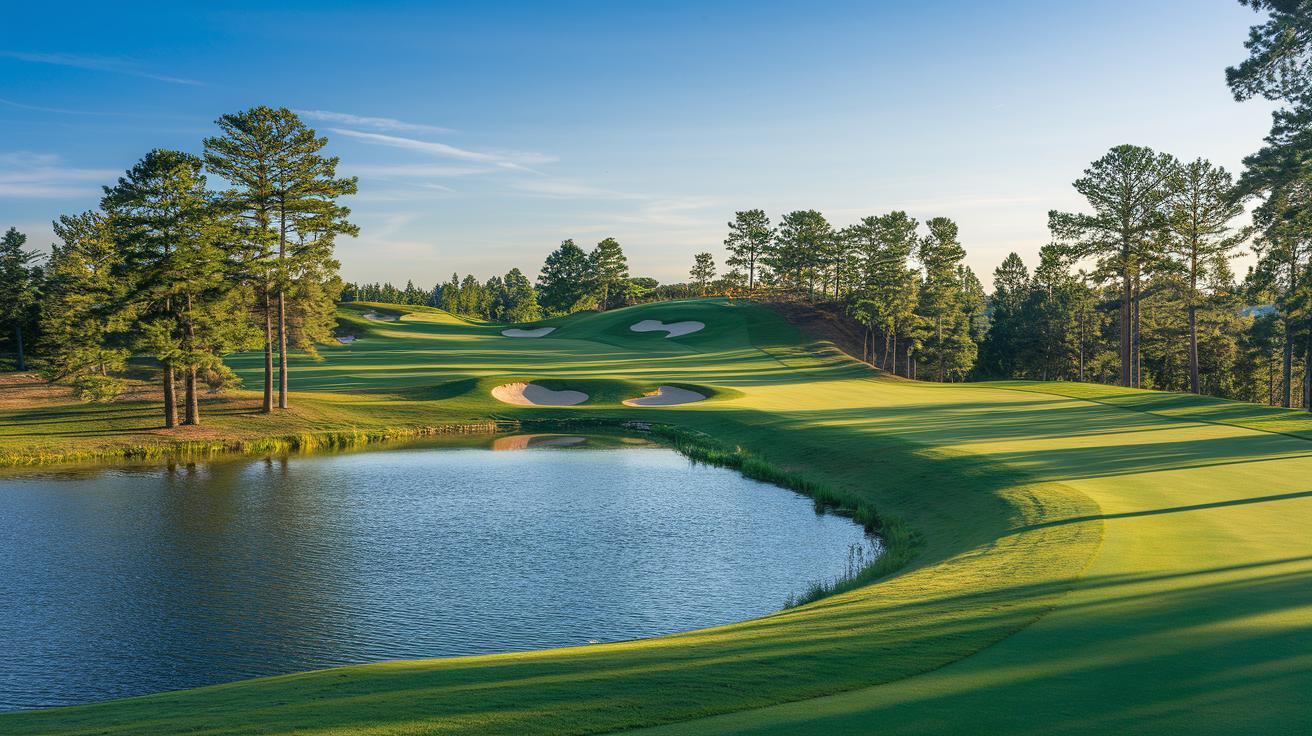
Golf course designers mix hazards and natural beauty to create holes that both challenge and inspire. When water hazards and bunkers follow the gentle curves of hills and valleys, they add a touch of drama that feels like nature's own design. Picture a fairway lined with a sparkling pond, where every hazard feels meant to be there, making the game both fun and visually stunning.
- Place water hazards so they mirror actual ponds or streams, creating smooth, natural transitions between play areas and the scenic background.
- Set bunkers in spots that push you to think about your shot, all while adding striking visual interest.
- Shape the greens with smooth, artistic curves that guide water runoff and neatly frame nearby hazards.
- Use the land's natural forms to tuck hazards into the layout, giving the course an organic, effortless look.
- Balance risk and reward by aligning hazard placement with the overall design, turning each hole into a memorable challenge.
By thoughtfully placing each hazard, designers not only boost the challenge of the game but also lift the course's overall appeal. It’s like putting together a puzzle, where every piece, from the water features to the bunkers, works in harmony to offer a truly engaging day on the course.
Sustainability and Eco-Friendly Landscape Strategies in Golf Course Design Ideas
Golf course design is embracing eco-friendly trends that protect our planet while keeping the game fun and challenging. Designers are now using low-water turf and native plants to lower water needs and highlight the natural beauty of the area. Plus, smart irrigation with drip lines and moisture sensors can cut water use by nearly 30%. Techniques like compost topdressing and bio-amendments help the soil stay healthy with less extra fertilizer. It’s like nurturing a living garden that’s both practical and pretty.
- Swap out water-hungry grasses for low-water turf and local plants to naturally save water.
- Use smart irrigation systems with drip lines and moisture sensors to spread water just where it’s needed.
- Boost soil health with compost topdressing and bio-amendments to build a tougher turf.
- Weave native plantings into the fairways to add natural color and support local wildlife.
By using these green methods, golf courses not only trim maintenance costs but also show care for the environment, all without losing the course’s charm or challenge. It’s a clever mix of nature and smart tech that makes every round more enjoyable for golfers and kind to our planet.
Creating Signature Holes with Dramatic Elevation in Golf Course Design Ideas
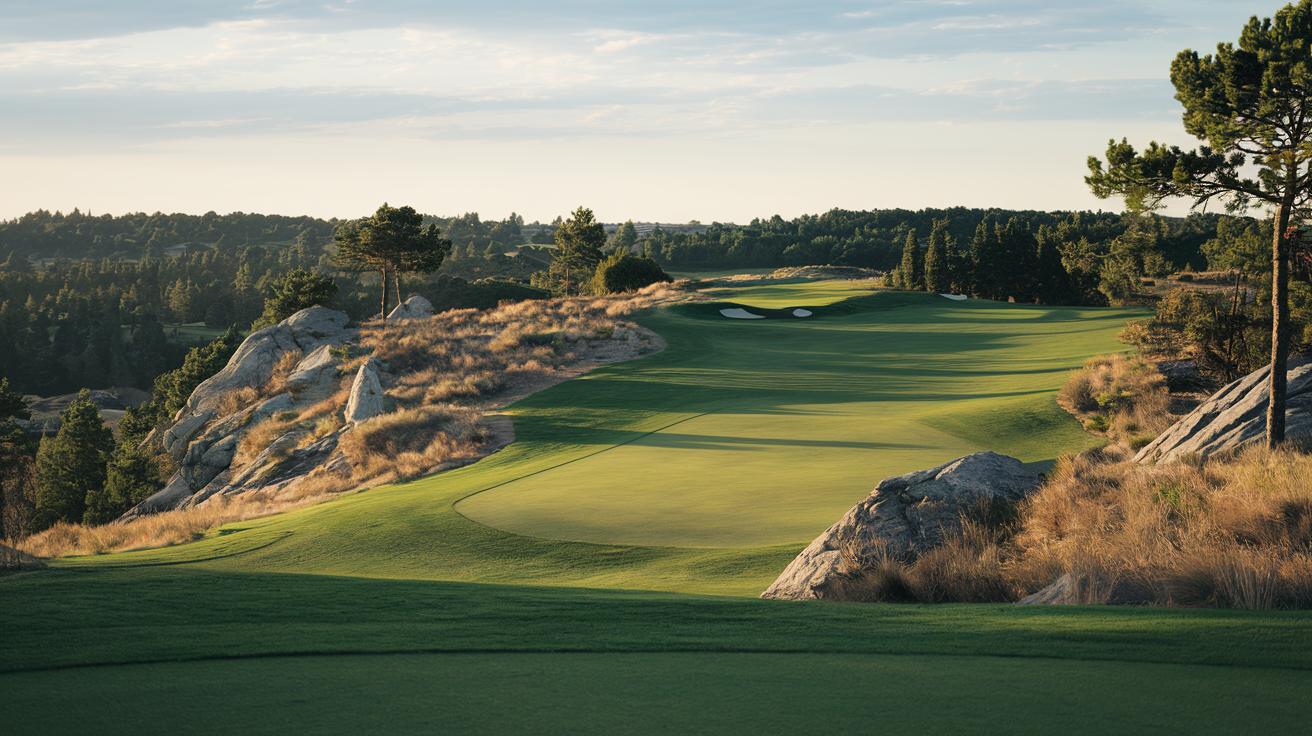
Innovative golf courses blend nature with smart play, turning each hole into a real memorable challenge. A clever twist on elevation adds that extra kick to test your aim and timing. Designers take advantage of natural slopes and rocky ridges, shaping the grass in ways that set up thrilling uphill battles and breathtaking views. It’s all about mixing artistic vision with smart design to create holes that truly stand out.
Redan-Inspired Signature Hole
Imagine a hole where the green leans just enough to make you pull out a long iron with precision, a tip of the hat to Chicago GC’s 7th hole. The slant of the green and slight curves in the turf make you think about every shot. It’s a design that quietly challenges your skills and rewards every careful play.
Elevated Promontory Hole
Picture stepping up to a tee that sits high above the course, offering a wide, stunning view of the fairway below. This hole makes the most of natural ridges and rocky outcrops to create a scenic masterpiece. Well-placed tees and greens set up a mix of uphill and downhill play, so you can enjoy both the challenge and the beautiful landscape.
Every design element here does double duty: testing your skills while serving up a visual treat. These ideas bring together nature and clever planning to give you holes that are as fun to play as they are lovely to look at.
Modern Grading Techniques and Terrain Modeling for Golf Course Design Ideas
Today’s course designers are using smart digital tools to bring natural beauty and smooth play into every round. With CAD/CAM software, basically a tool for precise cutting and filling and creating 3D views, they can see the whole course before the first tee shot. It’s like getting a bird’s-eye view to plan where water should flow and keep hazards safe.
Terrain modeling takes it a step further by shaping every little curve and slope. Designers mold the land to guide water away from greens and bunkers and even use micro-grading, a way to smooth surfaces without big machinery. This means they’re working with nature, not fighting against it, so every swing feels more consistent and the course stays easier to maintain.
These modern techniques mix art and science in a really smart way. They make courses not only look stunning but also play smoothly and last longer. It’s a win for players and the environment alike.
| Method | Purpose | Application |
|---|---|---|
| CAD/CAM Terrain Modeling | Precise cut-and-fill calculations and 3D visualization | Planning the overall grade and surface layout |
| Contour Shaping | Guiding surface drainage to protect greens and bunkers | Creating smooth transitions along natural landforms |
| Micro-Grading | Smoothing playable surfaces without heavy machinery | Fine-tuning tee and fairway slopes for better playability |
In the end, these advanced methods make courses fun to play and help protect nature, keeping the course beautiful and easy to manage.
Compact and Recreational Golf Course Design Ideas: Miniature and Backyard Planning
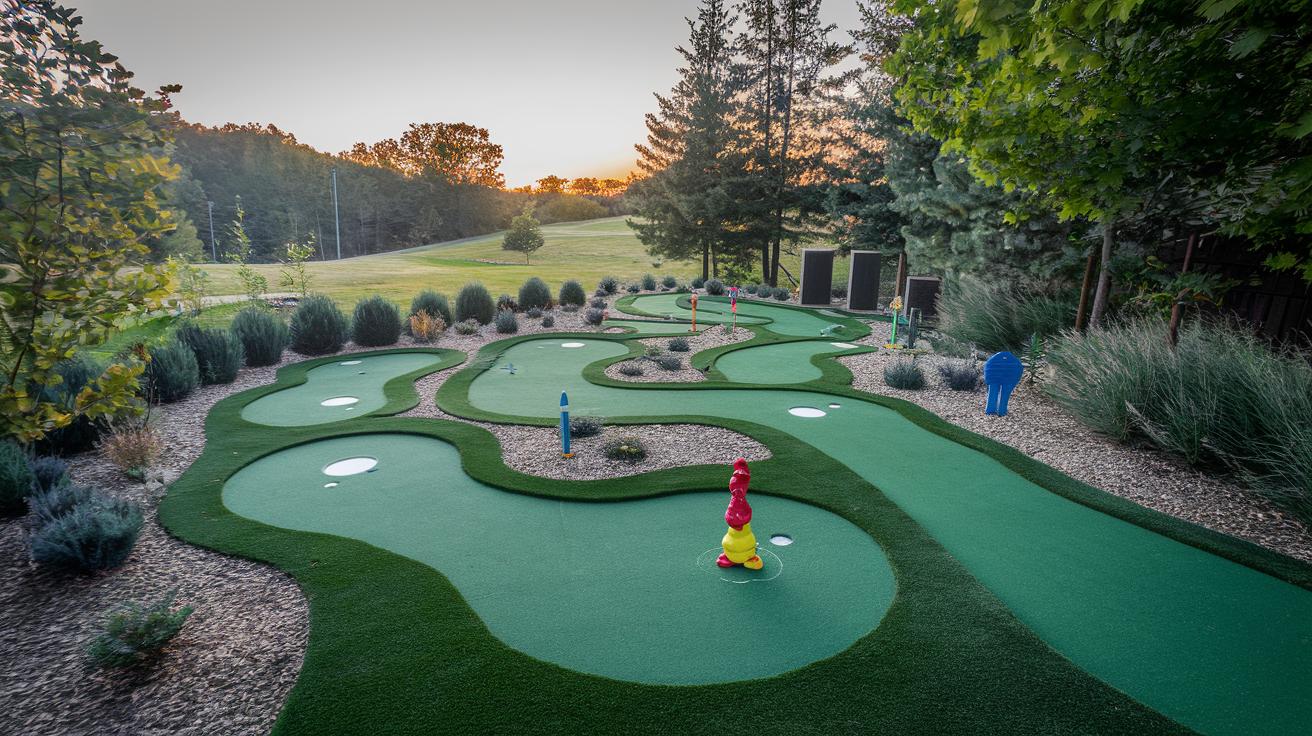
Small-scale golf design is all about making the most of a small area. Designers look at the natural slopes and special spots on your land to turn even a tiny backyard into a lively putting course. Imagine setting up a layout where each obstacle offers a fun challenge, turning your space into a playful canvas. Every feature, from mini bunkers to crafty bridges, is arranged to give you the thrill of a full-size course, even if you're just playing at home.
- Use gentle slopes and slight elevation changes that naturally guide your ball.
- Add clever bridges and turf rolls that spark a bit of playful creativity.
- Place themed art or sculptures to serve as fun, eye-catching attractions.
- Create small bunkers and water features that offer a hint of real golf challenge.
- Include winding paths that take you through a variety of mini holes.
- Arrange compact putting greens with varied contours to test your aim.
Backyard and miniature golf designs bring the excitement of a full course right to your doorstep. With smart use of the natural terrain and creative obstacles, these setups promise a compact experience that’s as challenging as it is fun.
Golf Course Design Ideas: Radiant Eco Trends
Designing a golf facility that blends naturally with its course is essential for a smooth day on the links. By connecting the path from the first tee to the 18th green, designers create a layout where the clubhouse, driving range, and practice areas work together. Every part of the facility supports game play while also considering practical details like sightlines and climate. It feels like every element was meant to be together, giving golfers a balanced and connected environment.
Designing a Welcoming Clubhouse
A friendly clubhouse is the heart of the course. Its layout is set up so that you can see the surroundings as soon as you enter, even before you step out. The materials are chosen to match the natural setting, and open, airy spaces make everyone feel welcome. Large windows capture the beautiful green views, making the clubhouse feel like a natural extension of the course.
Optimal Practice Area Layouts
The practice areas are built for both fun and use. They are divided into sections with clear target greens so golfers can focus on certain skills. High-tech features, like ball-flight tracking systems and interactive teaching stations, add a modern touch to the practice session. This smart design ensures that every practice swing helps improve your game on the course.
Integrated facilities like these complete the experience, letting you move easily from practice to play in a welcoming and thoughtful environment.
Final Words
in the action, we explored a range of creative arrangements, from strategic tee placements and smart hazard integration to eco-friendly turf practices. We looked at how modern grading techniques and imaginative mini-courses add exciting twists to each layout. The insights on facility planning bring everything together, showing that every little detail matters. Embrace these golf course design ideas and watch your playing experience feel fresh and engaging. Enjoy every swing as you put these ideas into practice on the course.
FAQ
What are some simple golf course design ideas and how do Pinterest ideas contribute?
The simple golf course design ideas combine creative layout concepts with natural elements, while Pinterest offers visual inspiration that sparks fresh thinking and helps refine course themes.
What defines a solid golf course design plan and what do standards PDFs reveal?
A solid golf course design plan connects tee boxes, fairways, greens, and hazards methodically, and design standards PDFs provide detailed guidance on size and layout to ensure consistent, quality design.
How does golf course design software assist in developing a layout?
Golf course design software uses precise digital tools to model landscapes, letting designers experiment with topography and drainage to improve overall playability and course structure.
How can one design a golf course online for free?
Designing a golf course online for free is made possible with virtual tools that offer basic layout templates and simulation features, allowing you to plan creative routes with no upfront cost.
What are engaging golf course theme ideas and how do they enhance play?
Engaging golf course theme ideas bring personality to a course by using cultural, historical, or nature-inspired motifs, enhancing play by creating memorable and distinct challenges for golfers.
What elements are included in a list of golf template holes?
A list of golf template holes usually features standard designs such as par-three or par-five layouts, offering starting points that can be customized with unique hazards and creative challenges.
What makes a great golf course design?
A great golf course design relies on a harmonious layout that integrates natural terrain, clear pathways, strategic hazard placement, and a balance of challenge and playability for all skill levels.
How is payment determined for designing a golf course?
Payment for designing a golf course depends on project scope, designer experience, and course size, with fees typically negotiated based on the design complexity and timeline of the project.
How to layout a golf course effectively?
Layouting a golf course effectively means planning creative routes that utilize natural features, carefully placing hazards, and ensuring smooth transitions from tee to green to offer engaging play throughout.
What are the 3 W golf courses?
The term “3 W golf courses” refers to layouts that emphasize width, water features, and winding routes, offering players a mix of expansive fairways and strategically placed natural challenges.

