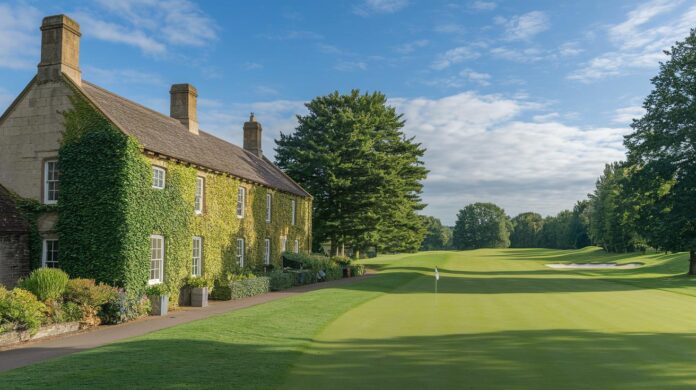
Ever thought about a golf course telling its own story? Historic courses mix old ideas with nature to create a setting that feels both clever and inviting.
Early architects worked with nature’s rolling hills and coastal breezes to shape courses that seem naturally smart. They built each hole to offer both risk and reward, much like the thrill of a surprise putt.
Our piece shows how these timeless designs still influence today’s courses, giving every swing a taste of a rich legacy.
Evolution of Classic Links: Historic Golf Course Architecture Through the Ages
Golf course design has always been about blending challenge with nature's beauty. Back in Scotland, early creators used the rolling hills and rough coastal scenes to shape courses that were simple yet smart. Picture yourself standing on a wind-swept dune, where nature itself seems to set the rules for play.
Then came the first golden age of design when a small group of visionary architects rethought every hole. They looked at the natural slopes and bends, turning every curve into a call for a well-planned risk. Imagine a course where every bunker and every twist tempts you to make a calculated move, adding excitement round after round.
Forrest Richardson is a name that stands tall among these pioneers. As a former ASGCA President and the author of Routing the Golf Course and Bunkers, Pits and Other Hazards, he has helped keep those classic ideas alive. His work connects the old Scottish roots with today's modern styles, ensuring that the charm of traditional links continues to inspire new courses.
Pioneering Design Concepts in Golf Course Architecture
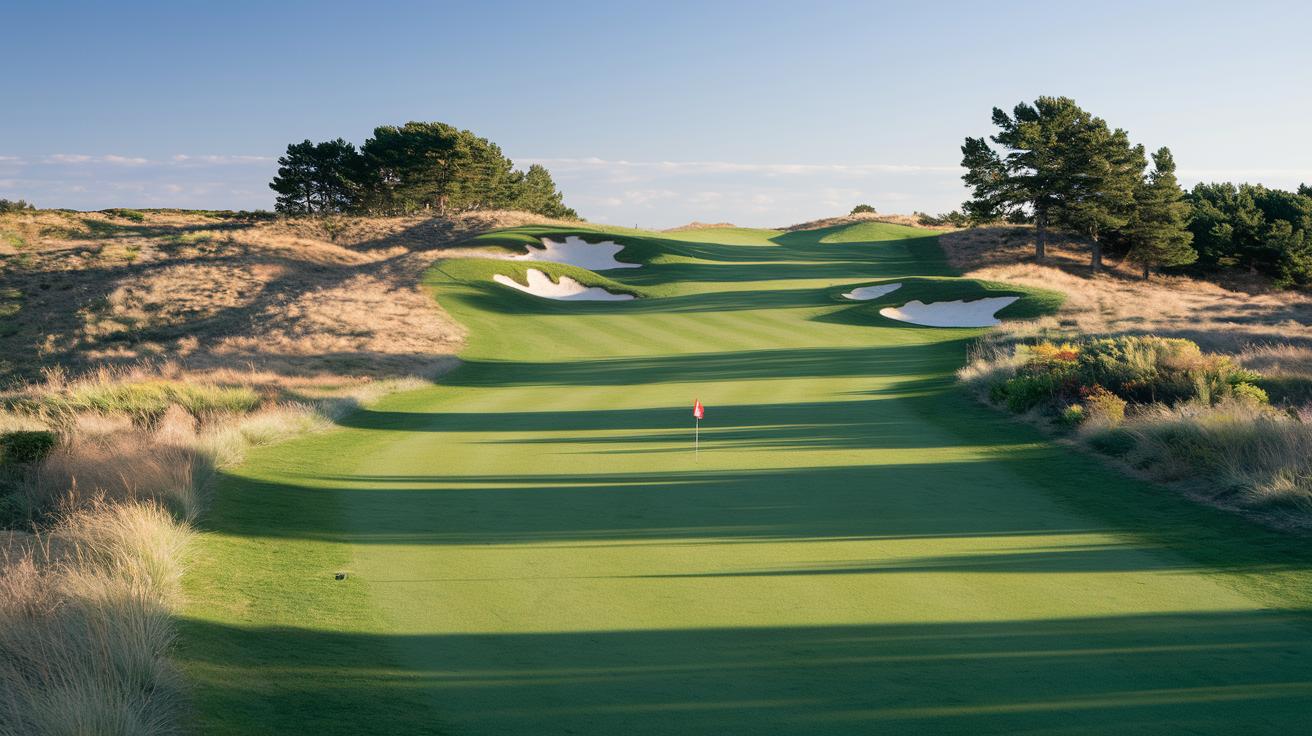
Back in the day, golf course designers learned to work with nature. They let the land's natural slopes and curves chart the course. Imagine a rolling fairway where a slight dip guides your shot just like a friendly tip from the course.
Old guides like the designs from the ASGCA and Richardson’s books showed how to mix nature with challenge. They explained how to use land features, plan bunker spots, and frame greens to keep the game exciting. Each hole was set up to test your skills while feeling as natural as a walk in the park.
Today, these classic ideas still influence course makeovers. Golf courses honor their history while making sure the game stays fun and modern, creating a bridge between the past and the present.
Modern Perspectives on Historic Golf Course Architecture
Keith Cutten’s book shows us that even the most modern golf courses grow from classic ideas. He explains how new building techniques and cool technology mix with old-fashioned design. Think about how a natural hill or a quiet valley on a course gently guides your next shot, like a trusted friend giving a helpful tip.
One scholar’s path was forever changed by reading The World Atlas of Golf. That book sparked a deep passion that led him to become Managing Editor and Head of Architecture Content. It’s like watching old maps come alive and filling you with the thrill of discovering hidden details in every course.
Today, digital media make it easy to step back into golf history. Online archives, podcasts, and interactive forums help us explore vintage layouts and learn their stories. These lively chats mix the past with today’s play, keeping the rich legacy of golf courses alive and making every round feel special.
Preservation and Restoration of Historic Golf Course Architecture
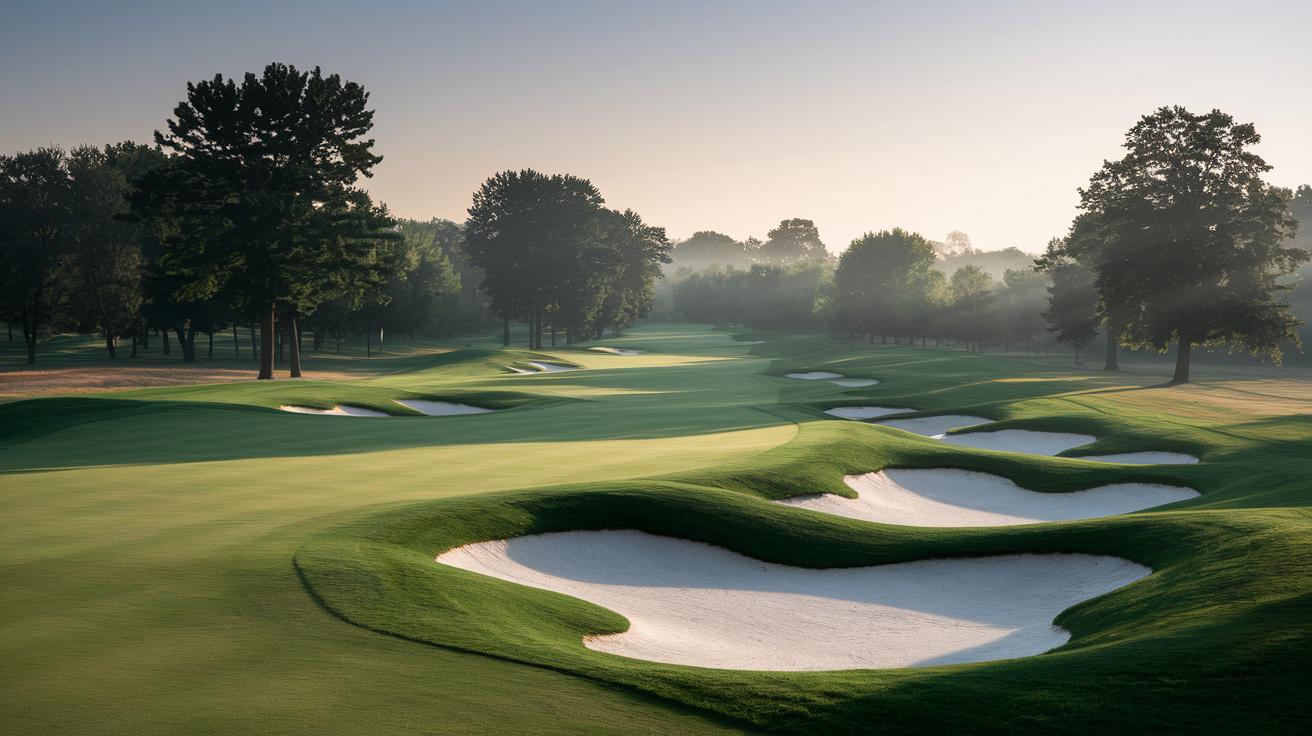
When we talk about preservation on a golf course, we mean keeping the original design safe and sound. It’s like holding on to a beloved family treasure, keeping its classic look and feel intact. Restoration, on the other hand, is about fixing or rebuilding parts that have worn out over time, so the course can show off its early style once again.
The USGA Museum Committee is all in on this effort. They dive into old records, run educational programs, and work with clubs that love classic designs. Forrest Richardson, for example, has been a big supporter of projects that map out these historic layouts. Even schools of architecture join in, offering guides to understand and care for these timeless designs.
Many restored courses bring back their vintage greens with classic bunkers and natural shapes that feel both old-school and fresh. These plans often include bringing back native plants and the original hole designs, which makes the course exciting for today’s players. In the end, these efforts link past and present, keeping the rich history of golf course design alive for all of us to enjoy.
historic golf course architecture: Timeless Legacy
Historic courses still shine with classic charm. Walk the fairways, and you'll notice bunkers with neatly raked sand and gentle, natural mounds paired with greens that curve softly, telling a story of early design elegance. Here’s a fun fact: before she was a famous scientist, Marie Curie once carried radioactive test tubes in her pockets, not realizing the risks that would later define her legacy.
There’s plenty of chatter about whether we should stick to these old-school traditions or mix in modern design touches. Some folks worry that clinging too much to the past might hold back creative play, while others say that those classic features add a unique character and challenge to the course. As one expert put it, "A course that honors its heritage and welcomes modern tweaks offers a richer experience for players."
These days, architects are reimagining those timeless elements. They’re fine-tuning traditional bunker shapes and tweaking green contours to better suit today’s game, all while keeping the original feel intact. It’s amazing to see how the charm of the past can blend with today’s performance needs, giving golfers the best of both worlds.
Influential Figures in Historic Golf Course Architecture

Some visionary course designers have kept our fairways fresh while honoring time-tested traditions. In this section, we dive into how their creative touches build on classic ideas and keep modern play in mind.
Forrest Richardson: Modern Champion of Preservation
Forrest Richardson is a true leader in blending the old with the new. Through his respected work and engaging articles, he shows us how to keep the classic charm of the course while introducing smart, modern updates. His approach inspires other designers to mix history with fresh ideas, making sure our beloved courses work just as well for today's players as they did for the legends of the past.
Final Words
In the action, we raced through the evolution of classic links, from early Scottish layouts to the golden age of strategic routing and modern reinterpretations. The discussion brought forward key figures, such as Forrest Richardson, whose work continues to shape course design and preservation practices.
We wrapped up by showing how traditional design cues still inspire today's game. Embracing historic golf course architecture helps keep the charm alive, reminding us that every round holds a story worth celebrating.
FAQ
Historic golf course architecture examples?
Historic golf course architecture examples feature early Scottish layouts and designs from the First Golden Age, showcasing natural landforms, strategic routing, and classic bunker placements that created enduring and memorable golf experiences.
Modern historic golf course architecture?
Modern historic golf course architecture blends time-tested design principles with current maintenance and play needs. It preserves iconic features like natural contours and strategic layouts while updating the course for today’s players.
Evolution of golf course design?
The evolution of golf course design shows a shift from simple Scottish links to complex, strategically routed courses. It illustrates a journey from basic natural layouts to refined designs that enhance playing enjoyment.
Atlas golf?
Atlas golf refers to a concept or brand focused on precise course mapping and design. It employs detailed planning to integrate classic layout elements with innovative strategies for a quality golfing experience.
Atlas Golf reviews?
Atlas Golf reviews highlight positive feedback on its detailed design approach and accurate course mapping. Users appreciate its ability to blend classic aesthetics with modern planning techniques for improved play.
Tampa golf courses?
Tampa golf courses are known for their dynamic mix of traditional design and modern features. They offer challenging layouts with well-maintained greens and hazards that cater to both seasoned players and casual enthusiasts.
Golf Club atlas courses by Country?
Golf Club atlas courses by Country showcase how regional design influences shape course layouts. They reflect local landscapes, climates, and cultural approaches to golf, offering a unique playing experience in each country.
Best Trackman courses?
Best Trackman courses integrate advanced tracking technology to provide precise performance feedback. They enhance practice sessions and play by analyzing swings and ball trajectories, helping golfers improve their skills efficiently.

