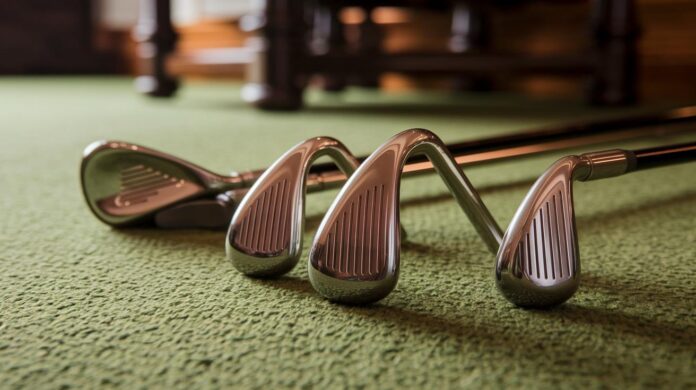
Have you ever wondered why vintage golf clubs still have that special charm on the course? They bring a slice of history to every round, blending classic style with modern play.
Each club is built with care and a personal touch, telling its own story from the early days of hickory shafts to metal woods and sleek blade irons. Imagine the crisp snap of a driver off the tee paired with a club that carries memories of true craftsmanship.
It shows that even as golf has evolved, the quality and soul of these clubs never fade. There's a unique thrill in knowing that the best of both worlds, old-school character and new-school performance, can come together to make every shot feel just right.
Vintage Golf Club Design: A Historical Evolution
In golf’s early days, clubs were built with hickory shafts and persimmon heads. Each one was carefully handmade and felt like a personal link to the sport’s beginnings. Imagine swinging a club where every hit echoes the craftsmanship of its time.
By the 1930s, metal woods made their debut. These clubs combined a tougher build and sharper precision with a touch of classic style. Then, in the 1950s, blade-style irons began to shine. Golfers loved the natural feel and immediate feedback these clubs offered with every shot, marking a new chapter in performance and tradition.
Come the 1980s, and vintage clubs got a fresh twist with cavity-back designs. These innovations boosted accuracy while still keeping the old-school charm alive. Today, fans treasure these clubs for their perfect mix of classic looks and modern playability, all without costing a fortune.
Era-Specific Trends in Vintage Golf Club Design
Vintage clubs tell a tale of change over time. In the early days, clubs were crafted with simple skills and featured hickory shafts paired with persimmon heads before 1930. That early, straightforward design set the scene for all the exciting changes that followed.
Then, as golf technology began to grow, the 1930s and 1940s brought a fresh burst of creativity with metal-wood clubs. Bold experiments defined this period, and legendary pieces like the 1935 Johnny Revolta punch-dot sand iron and the 1949 MacGregor Tourney M43 spoon quickly became fan favorites, capturing the innovative vibe of the time.
Here’s a quick look at the evolution:
| Time Period | Design Trend |
|---|---|
| Pre-1930 | Hickory-shaft clubs with persimmon heads |
| 1930s–1940s | Metal-wood experimentation |
| 1950s–1960s | Blade irons |
| 1970s | Transition to cavity backs |
| Early 1980s | Tour-model blades |
Each era is like a new chapter, showing careful craftsmanship and clever innovation that continues to attract both players and collectors. Take the 1956 PowerBilt Stainless Steel set, for example, it captured the sharp precision of persimmon blade styling. Then, in the 1970s, forgiving cavity back designs made it easier for golfers to hit that perfect shot. And by the early 1980s, tour-model blades, sometimes refreshed with modern re-shafting like the Modus3 105, blended vintage charm with today’s performance edge.
It’s amazing how each design milestone connects us to golf’s storied past while still inspiring play today. Ever notice how a club from a bygone era can make you feel right at home on the course?
Classic Club Styling: Craftsmanship in Vintage Golf Club Design
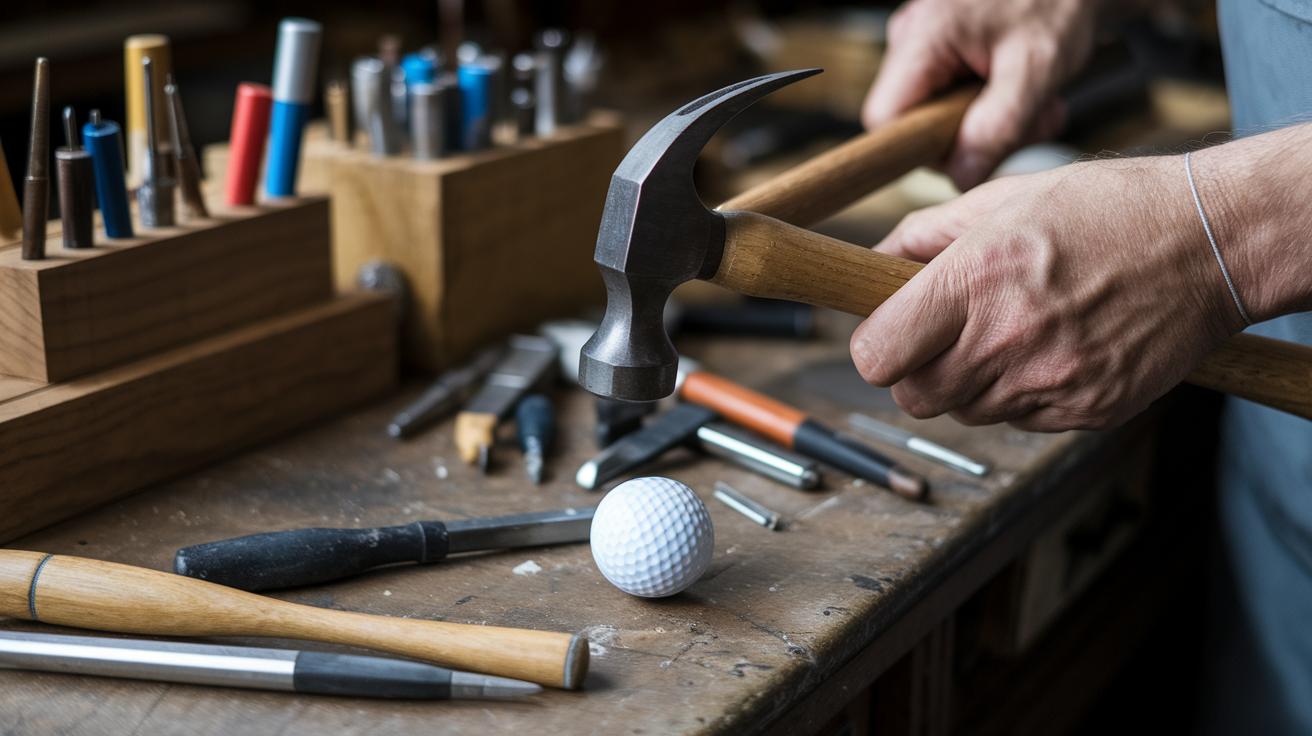
Many old-school irons were hand-forged by skilled craftsmen using age-old techniques passed down for generations. They paid close attention to every little detail, from the smooth curve of the club head to its final polish. Picture a craftsman gently hammering metal, much like an artist sketching the first lines of a masterpiece.
Some clubs, like the early Brunswick Apex 3 irons, show small flaws that add to their charm. Their thin-wall hosels sometimes bent or even broke, telling stories of early experiments. These little imperfections remind us that even mistakes helped pave the way for the great clubs we admire today.
Modern restorations keep that heritage alive by mixing classic style with new parts. By swapping old shafts for Modus3 105 ones (modern shafts that help keep the club balanced), they preserve the authentic feel of the blade while boosting performance. This blend of past and present means you get a club that still plays like a champion, all wrapped up in the timeless spirit of vintage craftsmanship.
Restoration Techniques for Vintage Golf Club Design
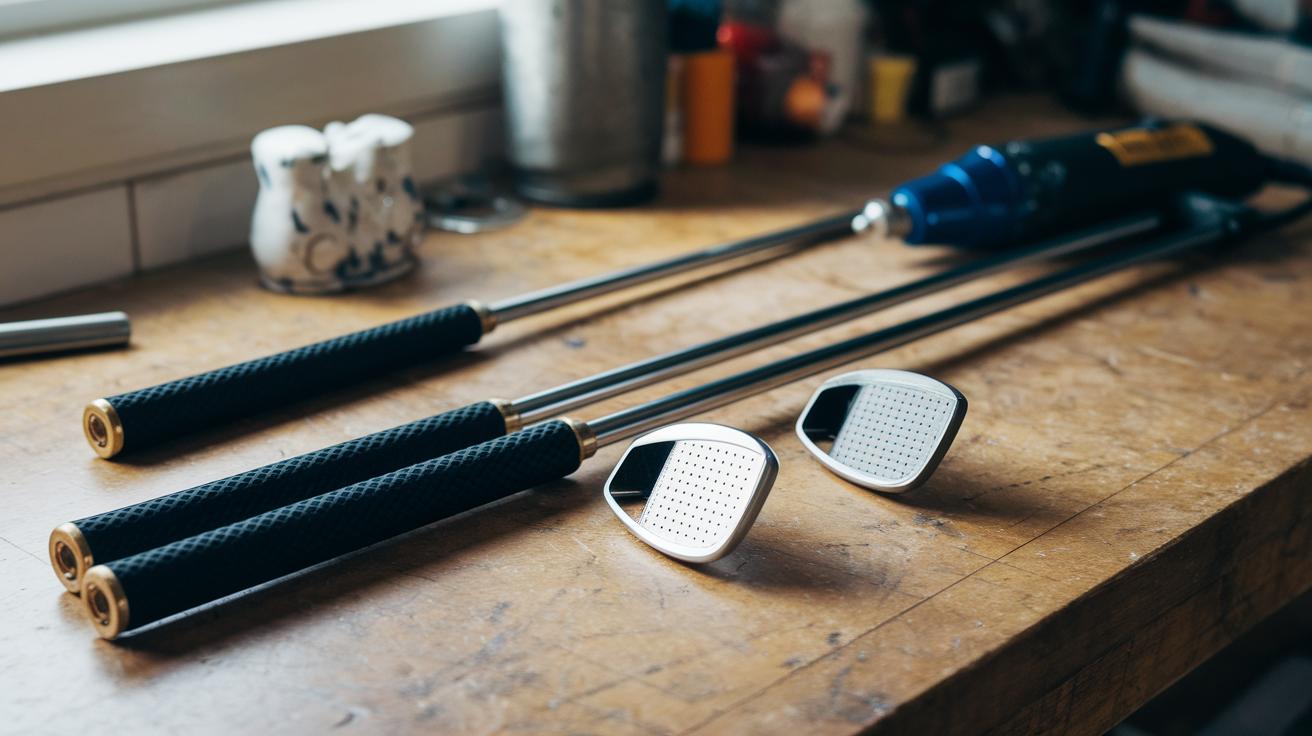
When you restore an old golf club, you're blending its classic look with modern play. Golf lovers often regrip their clubs using Danny Edwards perforated wraps in black for a firmer hold. They might also swap out tired shafts with new Modus3 105 ones or adjust the loft (the clubface angle) and lie (the clubhead's angle to the ground) to get that perfect feel. Every careful tweak pays respect to the club’s history while boosting its performance on the course.
| Technique | Steps | Tools Required |
|---|---|---|
| Regripping | Remove the old grip, use a solvent to loosen it, and slide on the new wrap | Grip solvent, vise |
| Reshafting | Warm the hosel (where the shaft connects), take out the old shaft, install a new one, and adjust its length | Heat gun, shaft clamp |
| Loft & Lie Reset | Place the club on a lie board, gently bend the hosel, and check the angles | Lie board, bending bar |
| Head Restoration | Strip off the old finish, sand down any bumps, and apply a fresh coat of paint | Sandpaper, lacquer, brushes |
Restoring vintage clubs is all about striking a balance. By carefully tuning the loft and lie settings with modern tools, you keep the club’s retro charm while giving it a fresh edge on the course. It’s like enjoying the best of both worlds, classic design paired with today’s performance.
Collectible Market Insights for Vintage Golf Club Design
Vintage golf clubs offer a unique blend of affordable style and collectible charm. Many fans own over 50 sets, with most clubs costing less than $30 and only a few reaching up to $120. On auction sites like Collectibles Market, the mix of classic playability and storied craftsmanship sparks bids, turning even modest clubs into prized finds.
These clubs stand out because of their one-of-a-kind design and proven performance on the course. Imagine the thrill of watching a Miura Precious Metals 10° driver ignite bidding excitement, it’s like spotting a rare bird gliding over a quiet fairway. This combination of budget-friendly prices and buzzing auction action makes each club a modern investment that also honors decades of golf history.
Below are the top 4 collectible vintage golf clubs with unique market traits:
- 1935 Johnny Revolta punch-dot National sand iron
- 1949 MacGregor Tourney M43 persimmon spoon
- 1956 PowerBilt HB Stainless Steel set (Model 4390R)
- Miura Precious Metals 10° driver
Data from Rare Collectibles show that these clubs are more than just tools to play golf, they’re cherished artifacts that turn every round into a celebration of history and passion.
Final Words
In the action, this blog journeyed through the origins of clubs with hickory shafts and persimmon heads, cruising into the mid-century shift with metal woods and blade irons. It also tackled restoration techniques while revealing market trends that fuel collector pride.
Every era's design choices have shaped today’s playability and style. Embracing vintage golf club design brings a unique feel to your game and a bright outlook on your next round. Enjoy the swing!
FAQ
Q: What makes a golf club vintage?
A: The features that define a vintage golf club include its era-specific design, historic materials, and old-school craftsmanship, which give it a unique character and nostalgic appeal.
Q: What is the 24-38 rule in golf?
A: The 24-38 rule in golf relates to standard measurements used in vintage club design, guiding loft and length specifications that help maintain a club’s traditional performance and playability.
Q: Are 20-year-old golf clubs too old?
A: The idea that 20-year-old golf clubs are too old is misleading. Many clubs from that era still provide solid play when they have been well cared for or professionally restored.
Q: What are the most sought-after vintage golf clubs?
A: The most sought-after vintage golf clubs include models like the 1935 Johnny Revolta punch-dot iron, 1949 MacGregor Tourney M43 spoon, and Miura Precious Metals driver, prized for their classic design and durability.
Q: What are some vintage golf club design ideas or images?
A: Vintage golf club design ideas blend timeless details with historic craftsmanship. Enthusiasts often explore images showcasing the evolution from hickory shafts and persimmon heads to bold metal designs.
Q: Where can I find vintage golf club designs for sale?
A: Vintage golf club designs for sale appear in specialty collector shops, online marketplaces, and auctions, offering clubs that combine quality playability with a nostalgic look.
Q: What are vintage golf brands and logos?
A: Vintage golf brands and logos are marked by classic typography and design elements that reflect the heritage and quality of clubs made in earlier eras, symbolizing a long-standing love for the game.
Q: Can vintage golf decor, such as nursery themes or wallpaper, be inspired by club design?
A: Vintage golf decor takes cues from classic club aesthetics, incorporating retro details into nursery themes or wallpaper, which brings a historical and charming touch to any space.

