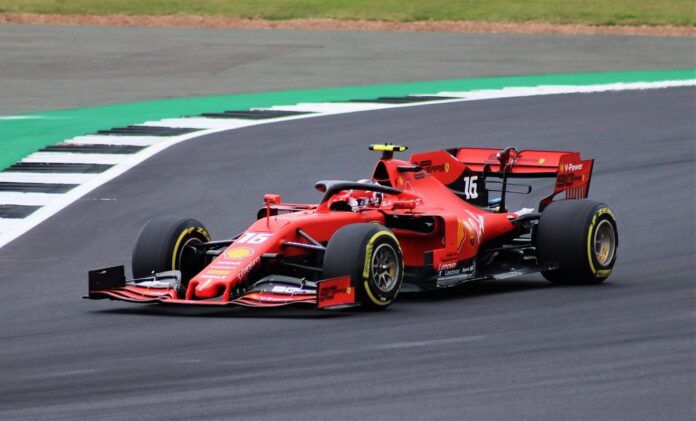
A Milestone in Formula 1 History
This year commemorates 75 years since Formula 1 was officially established as a world championship. The sport made its debut in 1950 with a race held at Silverstone, marking the beginning of an illustrious calendar filled with fierce competition, technological progress, and remarkable performances. From humble origins on a converted airfield to the state-of-the-art circuits in use today, Formula 1 has grown and advanced while holding on to a legacy that continues to excite millions of fans around the globe.
The Early Days of Grand Prix Racing
In May 1950 the world witnessed the first event on the championship schedule at Silverstone. The venue, once an airfield repurposed for racing, set the stage for what would become one of the most celebrated competitions in motor sports history. Italian driver Emilio Giuseppe “Nino” Farina delivered a performance that many still recall. He captured the pole position, clocked the fastest lap, and claimed victory over the course of the weekend. Racing under the Alfa Romeo banner, Farina’s exceptional weekend ultimately paved his way to winning the championship in a season that featured only seven races. Tyre supplier Pirelli was among the familiar presences in the paddock, a reminder of when teams could select from multiple manufacturers.
Legendary Figures and Iconic Performances
Over the ensuing decades the British Grand Prix has served as a stage for some of the sport’s most celebrated competitors. One shining example is Argentine driver Juan Manuel Fangio, who by 1956 had already secured three world championships. Driving for Ferrari in that year’s race, Fangio reached a milestone with his only win at Silverstone—a performance that stood out amid his career, which eventually delivered five world titles. That benchmark was later equaled by Michael Schumacher and subsequently by Lewis Hamilton, with each amassing seven championships during their careers. Such achievements underscore the level of talent that has graced the event, each era adding its own flair to the storied competition.
Shifting Venues and Circuit Evolution
Between 1955 and 1963 the British Grand Prix alternated its host location between Silverstone and Aintree, found near Liverpool. Aintree, distinguished as Britain’s first circuit built solely for grand prix racing, hosted the race on multiple occasions. In the 1957 edition it was Aintree’s turn to stage the event, and that race saw Stirling Moss and Tony Brooks of the Vanwall team share driving duties and, consequently, the trophy. As machinery advanced and cars grew faster, concerns about limited run-off areas and narrow margins for error at Aintree prompted organizers to reconsider venue options. This need for a more accommodating and safer environment led to a shift to circuits in the south of the country, resulting in the introduction of Brands Hatch as a new host.
From the mid-1960s until 1986, the responsibility for hosting the British Grand Prix was shared between Brands Hatch and Silverstone. In 1966, for instance, celebrated driver Jack Brabham—remembered as the first Australian to win a Formula 1 title and a founder of his own team—took the pole position at the event. That same race was claimed by Jody Scheckter, driving for Tyrrell/Ford. Brabham’s name remained influential during the 1970s, a period when the sport’s management saw significant changes under the guidance of a key figure in its administration. In 1980, during the Brands Hatch event, Desiré Wilson made headlines as the only woman to have ever won a post-war non-championship Formula 1 race. Despite encountering challenges with adjustments to her car setup and an uncompetitive vehicle, she did not manage to qualify for the championship race. Her overall contributions to motorsport have been honored in more ways than one, including the naming of a grandstand at Brands Hatch after her.
Unforgettable On-Track Moments and Rivalries
Many dramatic incidents and acts of sportsmanship have occurred during the British Grand Prix over the years. One of the most talked-about moments took place when Nigel Mansell, after securing pole position, posting the fastest lap, and ultimately winning the race in what turned out to be a dominant performance, went out of his way to help his competitor Ayrton Senna. Late in the event, Senna’s car ran out of fuel on the final lap, leaving it stranded on the circuit. In an unexpected turn, Mansell halted his own progress after the checkered flag and transported Senna back to the pits during the cool-down lap. This gesture, which surprised everyone present, went without any formal penalty from the race officials and has become one of the many legendary anecdotes that enrich the history of the sport.
Modern Racing and the Hamilton Impact
More recent editions of the British Grand Prix continue to attract great attention. In 2006, Fernando Alonso took the victory at Silverstone on his way to securing his second world championship title; his win at the circuit was repeated in the 2011 race. As the cars have grown faster and technology has advanced, Silverstone has undergone numerous upgrades and modifications to meet evolving competitive demands. Interest in retaining this race remains high among fans, and the sport’s chief executive has stated that Silverstone is expected to remain a mainstay on the championship calendar for many years ahead. Meanwhile, agreements signed with other circuits like the Red Bull Ring and Miami have been extended through 2041, marking the longest contractual commitments seen in the sport to date.
In the modern chapter of Formula 1, few names shine as brightly as Lewis Hamilton. With seven world championships, 105 race victories, and 104 pole positions to his name, Hamilton has set records that define excellence in motor racing. His success at Silverstone stands out, having claimed a record nine wins at the British Grand Prix. In his final season with Mercedes, Hamilton ended a winless stretch dating back to 2021 with a striking performance at Silverstone. Now racing under the Ferrari banner, he is looking to add new milestones to an already extraordinary career as the British meeting, which now represents the mid-point of the championship season, continues to draw the attention of fans and specialists alike.
Looking Forward
The enduring appeal of the British Grand Prix is evident in its vibrant history, marked by transformative changes and memorable racing moments. From its origins on a repurposed airfield to its current status as a cutting-edge circuit, the event embodies the spirit and drive of competitive motor racing. As records continue to be broken and fresh talent emerges on the track, the legacy of the British Grand Prix provides a constant source of inspiration. Celebrating 75 years, the sport stands ready to face many more seasons filled with intense competition, technological evolution, and performances that will captivate audiences well into the future.

