
Ever wonder which golf tournaments can make or break a player's legacy?
Four major championships bring more than just a dose of history. They serve as high-pressure tests that push every swing to the limit.
There's the Masters with its famous green jacket, the U.S. Open known for its tough challenges, the timeless links of The Open Championship, and the ever-changing PGA Championship. Each event has its own vibe and pushes players to perform at their best.
In this piece, we'll dive into what sets these events apart and why every golf fan should have them on their must-watch list.
what are the four major golf championships: Unmissable
Golf fans know that a few tournaments stand out above the rest. The Masters Tournament, played at Augusta National since 1934, is famous for its pristine fairways and that iconic green jacket given to winners. The U.S. Open, run by the USGA since 1895, is known for its tough course conditions and high rough that test every golfer’s skill. Then there’s The Open Championship, or the British Open, which started back in 1860. This event is played on ancient links courses where changing weather adds an extra challenge. The PGA Championship, begun in 1916 by the PGA of America, brings together top pros on different well-regarded courses each year.
- Masters Tournament
- U.S. Open
- The Open Championship
- PGA Championship
Each of these tournaments has its own vibe and way of pushing players to be their best. They bring together new talents and seasoned pros, keeping the excitement of golf alive. Whether it’s the exclusive feel of Augusta, the rugged challenges of American courses, the unpredictable British weather, or the fresh twist of rotating venues, these events are a must-see for anyone who loves the game.
Historical Legacy of Major Golf Championships and Their Traditions
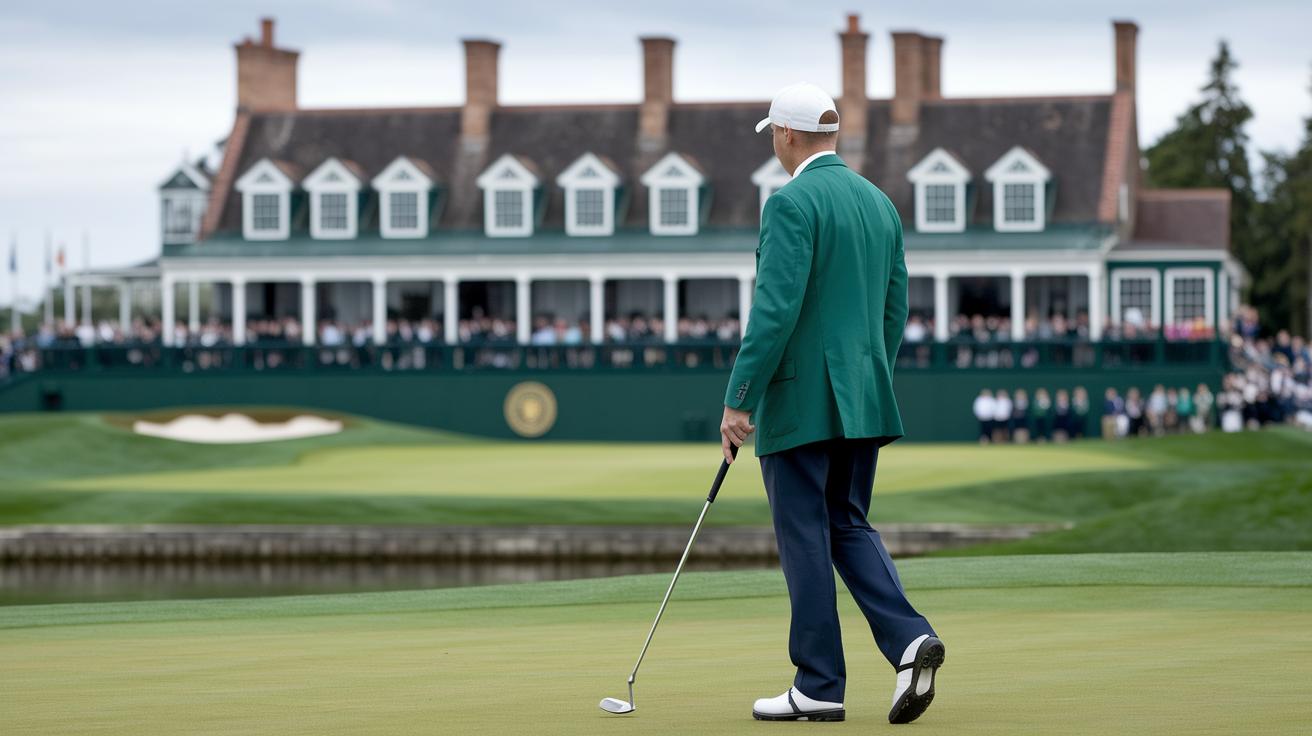
The roots of these tournaments are well known, but the traditions have grown and changed along with the sport and our society. Take The Masters, for instance. Its green jacket now tells a story of honor, community, and club identity in a way that only time can shape. Ever thought about how a simple jacket can represent so much more than skill?
The U.S. Open, on the other hand, has evolved with course design and technology. Picture a player on a wind-blown fairway, battling both nature and the course. Every swing captures the grit passed down through generations, merging old-school endurance with modern-day smarts.
Meanwhile, both the Open Championship and the PGA Championship now highlight the spirit of a changing game. Seasoned players believe these tournaments mirror how we see competition and sportsmanship today. It's like each event not only recalls great moments from the past but also sparks a fresh love for the game among fans all over the world.
Competitive Structure and Unique Features of Major Golf Championships
When you look at these big tournaments, you can see that each one offers its own set of challenges. On a course that stays the same every year, like the Masters at Augusta National, golfers grow familiar with every detail. This kind of setup helps them dial in their focus and accuracy. But in events like the U.S. Open and PGA Championship where courses change every time, players have to quickly adjust and come up with creative plans to tackle new obstacles.
| Tournament | Year Established | Unique Feature |
|---|---|---|
| The Masters | 1934 | Fixed private course setup at Augusta National |
| U.S. Open | 1895 | Rotating courses with challenging, high rough conditions |
| The Open Championship | 1860 | Historic links courses with unpredictable weather |
| PGA Championship | 1916 | Flexible venue selection with a competitive pro field |
These design differences really shape how players get ready both mentally and physically. In courses they know well, they build on consistency. With new challenges at each venue, they develop the resilience and quick-thinking skills needed to succeed. It just goes to show how adapting to each course's special demands is part of the excitement of major golf championships.
Final Words
In the action, the article explored a clear breakdown of the major tournaments. It covered the history, traditions, and competitive structures that make each event unique.
The post answered what are the four major golf championships by highlighting the Masters Tournament, U.S. Open, The Open Championship, and PGA Championship. These insights give a solid view of each landmark event, leaving you inspired to enjoy every swing on the course.
FAQ
What are the four major golf championships?
The four major golf championships include the Masters, U.S. Open, The Open Championship, and the PGA Championship. They represent top-tier competitions with distinct traditions, course setups, and rich histories.
What historical traditions are tied to the golf majors?
The golf majors carry historic traditions like the Masters’ green jacket, the U.S. Open’s demanding setups, The Open’s links heritage, and the PGA Championship’s competitive innovation. These customs deepen each event’s legacy.
How do the competitive structures vary among the major championships?
Each championship features unique competitive structures. The Masters remains at Augusta National; the U.S. Open rotates venues across the nation; The Open is held on UK’s links courses, and the PGA Championship offers rotating, high-caliber fields.
What are the unique course features and weather conditions of each championship?
Course designs and weather conditions differ widely. Augusta’s pristine setup contrasts with the U.S. Open’s high rough, The Open’s unpredictable UK weather on links, and the PGA Championship’s diverse venues offering varying challenges.

